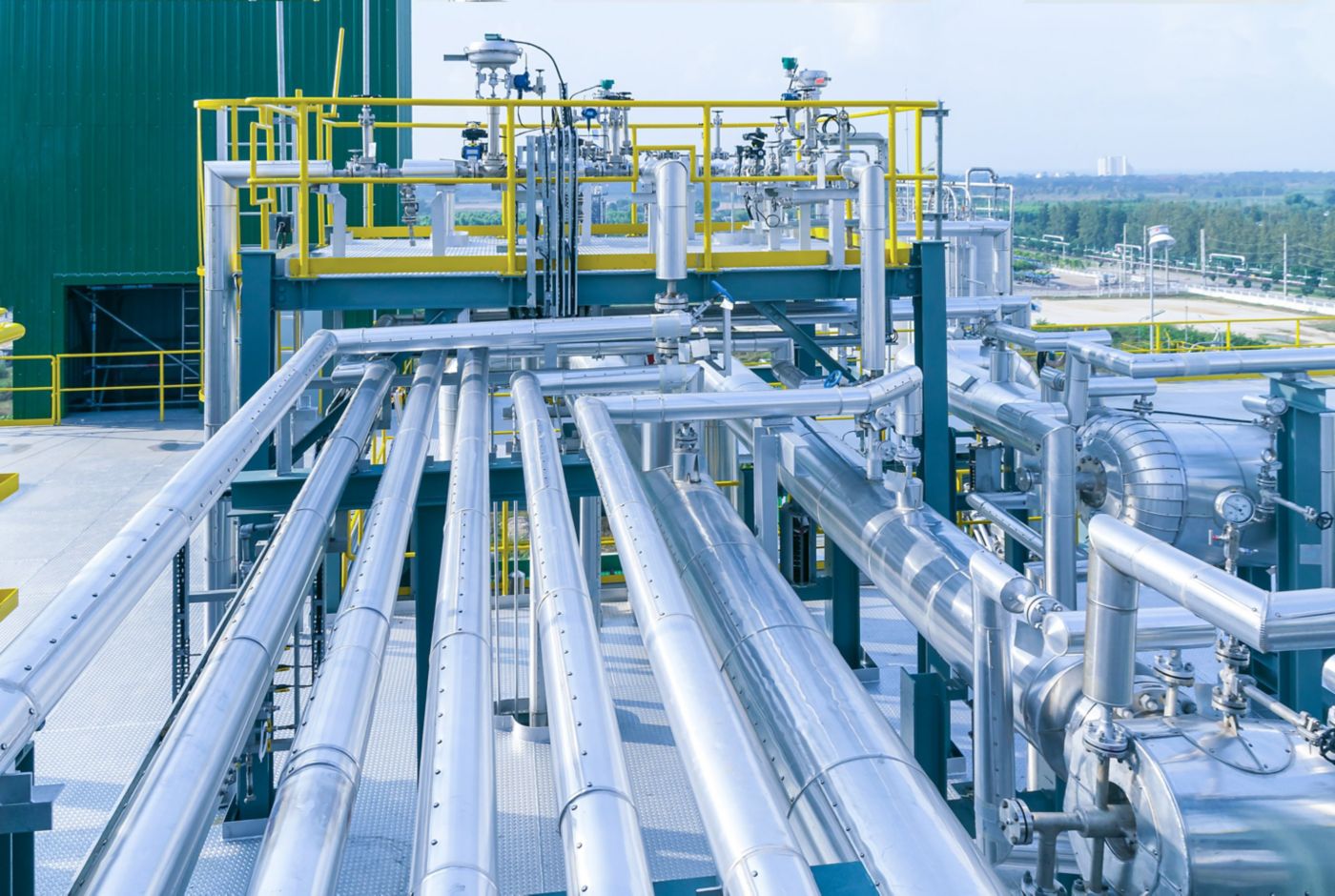

Our energy technologies are designed to work with your current equipment and controls. Integration strategies follow a phased approach that helps safeguard your current investments. New controllers can connect to current field instruments and networks often without the need to replace wiring or cabinets. Operators are able to access new capabilities while maintaining the interfaces with which they’re familiar.
Our systems can unite data from generation, storage and distribution assets into one control layer. This approach aims at reducing silos between systems and offers greater visibility across your entire energy infrastructure.
Energy Technologies
Energy solutions for industrial operations
Coordinate power across generation, storage, distribution and emissions with integrated industrial energy technologies.

Coordinate power across generation, storage, distribution and emissions with integrated industrial energy technologies.
Integrated Energy Technologies Across Generation, Storage and Distribution
As global energy demand continues to rise, organizations need integrated technologies to manage generation, storage, distribution, and emissions across increasingly complex operations. Honeywell energy solutions connect grid-scale infrastructure, site-level energy systems, and advanced software to help organizations generate, distribute, manage, and enhance energy efficiently. We bring together digital controls, automation software and domain expertise to coordinate energy assets as a unified system.
Our energy technologies help organizations gain visibility into energy flows, help optimize performance in near real-time, and support carbon reduction goals while helping maintain reliability. Honeywell delivers an integrated approach that is designed to support reliability, efficiency and sustainability goals across the energy value chain.
Related Solutions
Explore advanced energy technologies for your operations and applications.
Customer Stories
Customer Results With Advanced Energy Technologies
Frequently Asked Questions About Energy Technologies
Energy technologies can help reduce emissions through three pathways:
- Enhance energy use and reduce waste across operations. Digital controls and analytics may help identify inefficiencies as they occur, addressing energy loss before it can significantly impact costs or emissions.
- Enable integration of renewable energy sources and battery storage. Facilities may be able to shift consumption to match renewable availability and respond to grid conditions dynamically.
- Support transition to lower-carbon fuels like hydrogen and renewable fuels, plus carbon capture for industrial facilities. These technologies may help address process emissions from hard-to-abate operations including chemical processing, cement production and industrial heating.
Deployment timelines depend on project scope and facility complexity.
A phased brownfield deployment typically spans 6 to 12 months for a medium-size facility. This includes site assessment, detailed engineering, equipment procurement, installation and commissioning. Advanced migration technologies can reduce timelines compared to traditional approaches.
Plants can often maintain operations throughout deployment. The process uses hot cutover capabilities when continuous production is required. This helps minimize disruption and helps protect revenue during the transition.