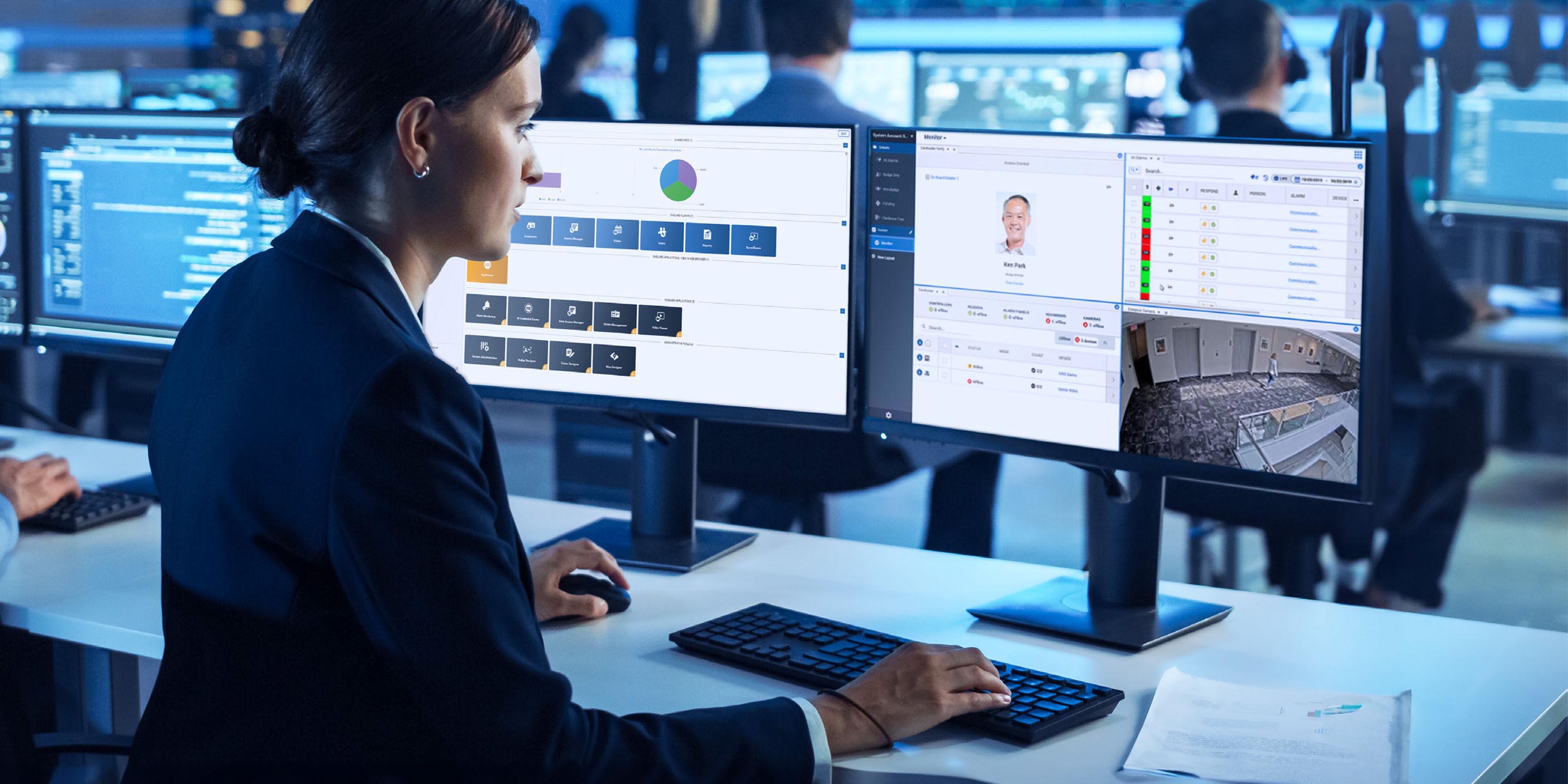
The path to autonomous operations

FPO-Image.png

Key Insights Ahead

  • How autonomous operations differ from automation and why the distinction matters for your business
  • Technologies enabling autonomy including AI, machine learning, cloud platforms and integrated connectivity
  • Solutions to begin your autonomy-driven transformation with proper infrastructure and human oversight
FPO-Image.png

Industrial Automation: The Starting Point for Autonomy

Modern industrial automation does more than streamline processes. It creates the technical foundation that makes autonomous operations possible. 
 
Many advanced automation systems today rely on distributed controllers, connected sensors and integrated software to monitor and manage operations. These systems can capture operational data in near real-time, execute control strategies automatically and provide operators with insights that improve decision-making. 
 
The same infrastructure – sensors measuring process variables, controllers adjusting operations, platforms integrating data – becomes the backbone for AI and machine learning. Autonomous systems build on this foundation, adding capabilities that help enable operations to learn from data, help predict outcomes and improve performance with reduced human intervention.

FPO-Image.png

How Autonomous Solutions Enable Predictive Decision-Making in Complex Operations

Autonomous solutions apply AI and machine learning to operational data, helping to enable systems to predict issues and recommend corrective actions. In process industries like refining and petrochemicals, these capabilities address critical challenges in maintaining safer and more efficient operations. 
 
pilot program at TotalEnergies' Port Arthur Refinery demonstrates this approach. AI-powered systems monitor the delayed coking unit, analyzing operational patterns to forecast potential maintenance events. The system can predict issues before alarm conditions develop, giving operators time to implement corrections that can reduce downtime and support emissions reduction efforts. 
 
This represents the bridge from automation to autonomy: systems that support human decision-making with predictive intelligence rather than simply executing programmed responses.

FPO-Image.png

What Autonomous Operations Look Like in Practice

Autonomous operations represent the advanced stages of industrial automation, where systems don't just execute commands but learn and improve performance with minimal human intervention. 
 
The journey follows defined maturity levels. Early stages predominantly automate routine tasks. Intermediate stages often add monitoring and analytics. Advanced stages incorporate AI that can recognize patterns, forecast conditions and recommend actions. The highest levels can go on to enable self-enhancement systems that adjust operations based on changing conditions while maintaining human oversight for critical decisions. 
 
Industries with complex, continuous processes – refining, chemicals, power generation – benefit most from this progression. Systems that help predict equipment failures, improve energy consumption and maintain product quality can help reduce costs and improve safety.

FPO-Image.png

Autonomy in Manufacturing: From Manual Adjustments to Self-Enhancement Plants

Autonomy in manufacturing helps to address persistent challenges in production consistency and resource utilization. Traditional manufacturing often relies on operators to identify quality issues, adjust machine parameters and respond to production variations. Autonomous systems help change this dynamic by monitoring process conditions on an ongoing basis and making near-real-time adjustments. 
 
Smart factories often leverage AI and machine learning to analyze sensor data from production lines, predict equipment behavior and improve parameters like temperature, pressure and speed. These systems can help identify patterns that may indicate potential defects, adjust processes to support adherence to product specifications and coordinate operations across production stages. 
 
The resulting impact can be significant: reduced waste, improved throughput and more consistent quality. Manufacturing operations benefit from fewer unplanned stops and better resource efficiency.

FPO-Image.png

Autonomous Buildings: Intelligent Environments That Improve Themselves

Modern buildings present complex operational challenges, including interconnected HVAC, lighting, security, fire safety and energy systems that require continuous coordination. Honeywell's building automation platforms address this complexity by integrating multiple systems into unified command centers that provide extended visibility and control.


These platforms employ near real-time analytics to correlate data across building domains, identifying enhancement opportunities that isolated systems struggle to detect. Autonomous controls can adjust environmental settings based on occupancy patterns, improve energy consumption during favorable utility rate periods and coordinate HVAC preparation with access control schedules. 

FPO-Image.png

Retail and Commercial Automation: From Data to Autonomous Decisions

The future of retail automation centers on operational agility and measurable business outcomes.


Retailers are increasingly deploying flexible, scalable automation that adapts to changing demand, new fulfillment models and evolving store formats. Honeywell's automated data capture and AI technologies provide near real-time visibility across inventory, workforce management and customer engagement, enabling retailers to respond quickly to disruptions while maintaining operational efficiency.


From smart carts and self-checkout systems to RFID-powered loss prevention and voice-directed workflows, these solutions automate routine tasks and can reduce errors, allowing staff to focus on customer service and strategic initiatives.

FPO-Image.png

The Future of Autonomous Technology in Vehicles

Autonomous technology is advancing across heavy-duty vehicle applications through three key innovation areas: drive-by-wire systems, remote operation capabilities and intelligent sensing technologies.


Drive-by-wire systems are designed to replace mechanical linkages with electronic signals that enable more precise control and support advanced driver-assist features. Remote operation facilitates single operators to direct multiple pieces of equipment simultaneously, addressing workforce challenges where labor shortages affect construction, agriculture and freight transport sectors. Advanced sensing technology helps to provide the data foundation for autonomous operations, with position sensors, accelerometers and environmental monitors delivering near real-time feedback that enables both operator-assist systems and autonomous equipment to navigate complex environments safely.

Quote: Just as 2024 was the year AI went from an experiment to a mainstream business enabler. 2025 will be the year it begins to revolutionize the industrial sector at scale.

Vimal Kapur

Chairman and CEO

Quote: Trust should not be a barrier that stops us from implementing disruptive technologies. Instead, when used correctly, technology and data allow us to build trust with our employees, customers and clients.

Sheila Jordan

SVP and Chief Digital Technology Officer

Insights & News

Leading the Path to Autonomy

Explore perspectives from Honeywell leadership, discover breakthrough innovations and understand the trends driving the evolution from automation to autonomous operations.

Ready to build autonomous facilities?

Explore how autonomous solutions can help drive improvements across your operations.

Ready to build autonomous facilities?

Explore how autonomous solutions can help drive improvements across your operations.