



Stage 1: Abuse
Electrical (over-charge/discharge, or internal manufacturing defects).
Thermal (external heating or operating the battery outside its specified temperature).
Mechanical (physical damage to the cell).
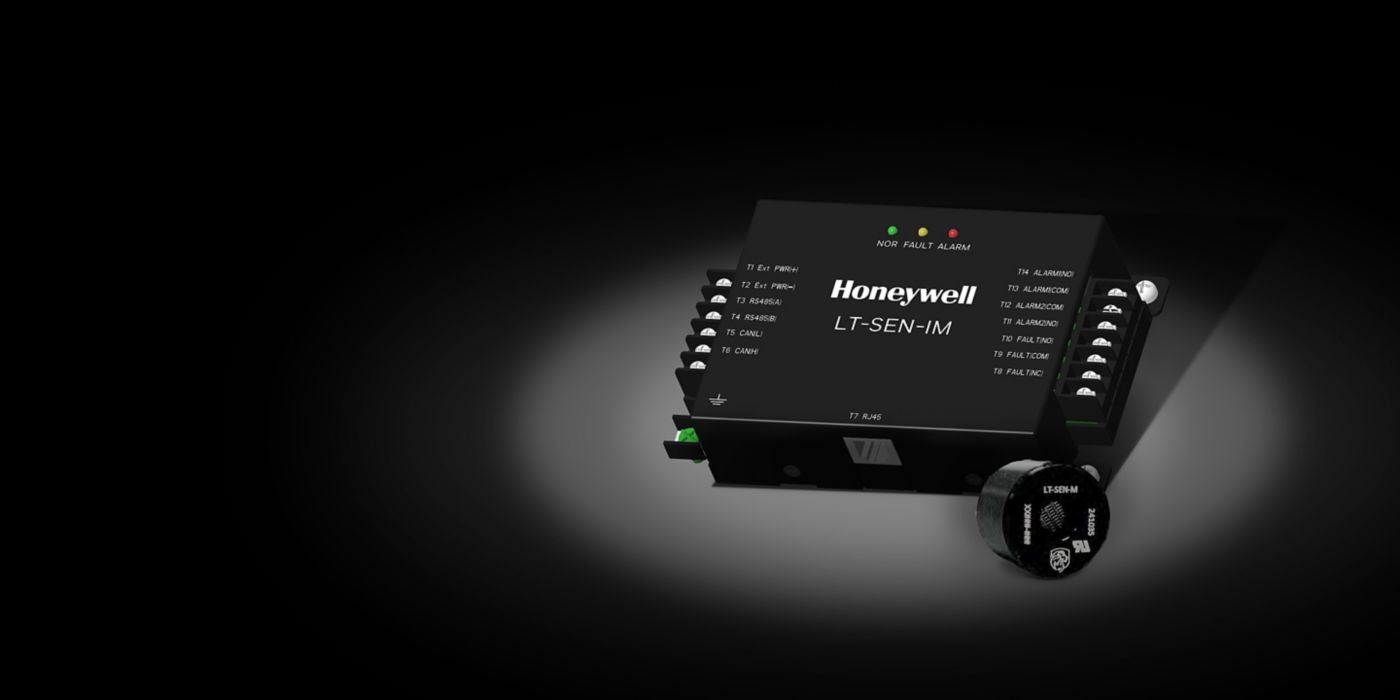
Stage 2: Initial cell venting (off-gas event)
The battery electrolyte will convert to gas, increasing the internal pressure and venting to the outside through the pressure relief vent or rupture. This gas release is distinctly different than the release of gases at thermal runaway and often occurs several minutes prior to thermal runaway.
Stage 3: Thermal Runaway
With increasing internal battery pressure and temperature, the separator will melt down and rupture, releasing smoke and potentially igniting the electrolyte solvent. Thermal runaway enables propagation of abuse and failure to adjacent cells, with any resulting fire further increasing the risk.