
Exposure to vibration, extreme temperatures, chemicals or particulates can affect accuracy. Honeywell sensors use sealed housings, specialized materials and temperature compensation designed to help maintain stability. Proper mounting, appropriate pressure range selection and regular calibration checks support long-term reliability. Environmental rating specifications (IP ratings, temperature ranges) help guide selection for specific conditions.
Industrial Sensors
Advanced sensing for critical operations
Sensors engineered to perform in the harshest industrial environments, with accuracy you can trust

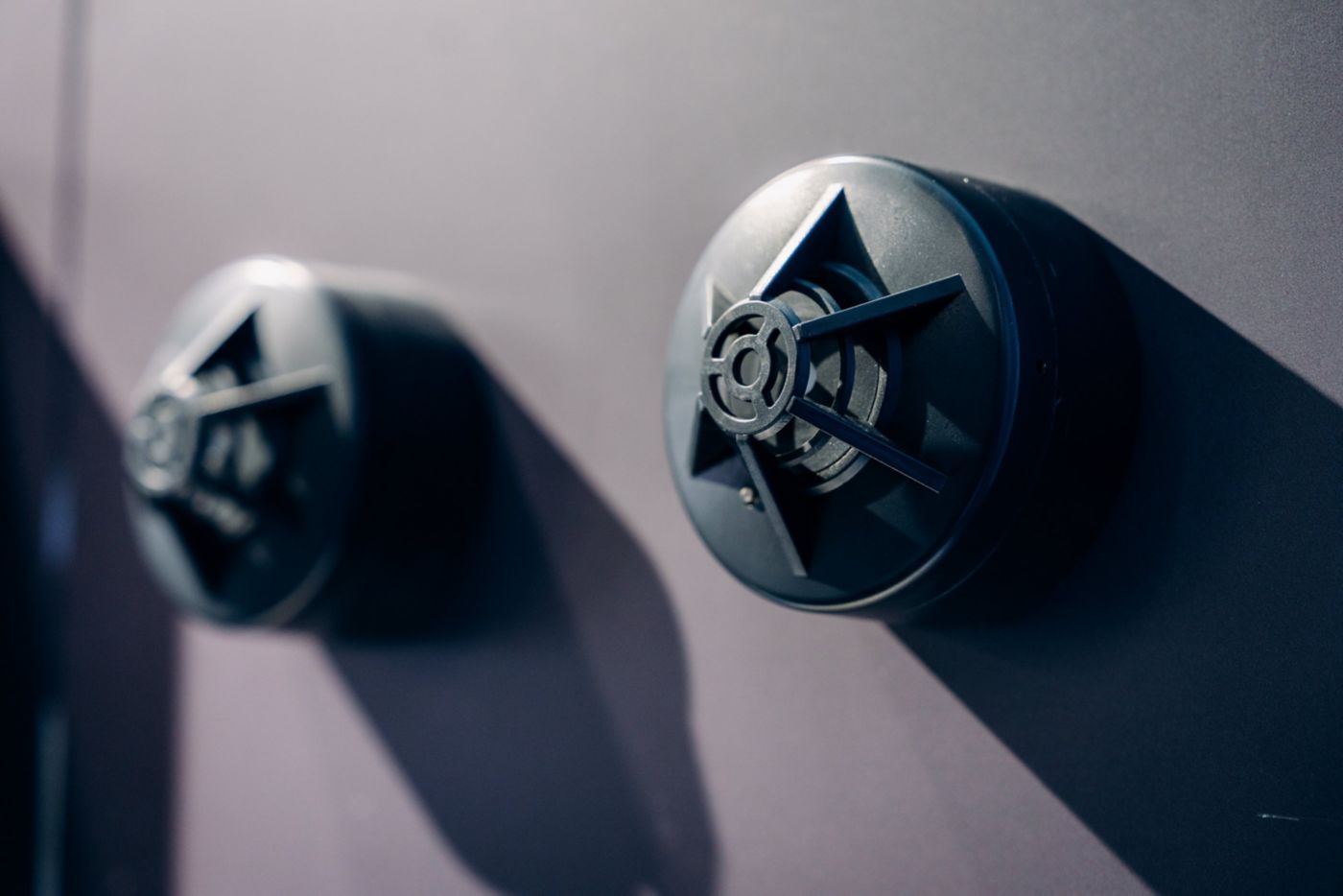
Sensors engineered to perform in the harshest industrial environments, with accuracy you can trust
Comprehensive Sensing Technology That Helps Drive Industrial Performance
Honeywell designs advanced electronic sensors that detect and measure critical parameters across diverse industrial applications. Our comprehensive portfolio includes state-of-the-art sensors for pressure, temperature, force, current, humidity, magnetic fields, motion and position. These sensors deliver reliable electronic signals designed to help maintain seamless integration into complex systems for near real-time data collection and analysis.
Built on decades of innovation, Honeywell sensor technology helps enhance operational efficiency while supporting predictive maintenance and safety monitoring. Our sensors provide businesses with critical insights designed to help improve processes and minimize downtime.
Whether deployed in extreme temperatures, high-pressure environments or challenging industrial conditions, Honeywell sensors help maintain accuracy and stability. From off-the-shelf products to customized solutions, our expertise can meet exact application requirements across industries.
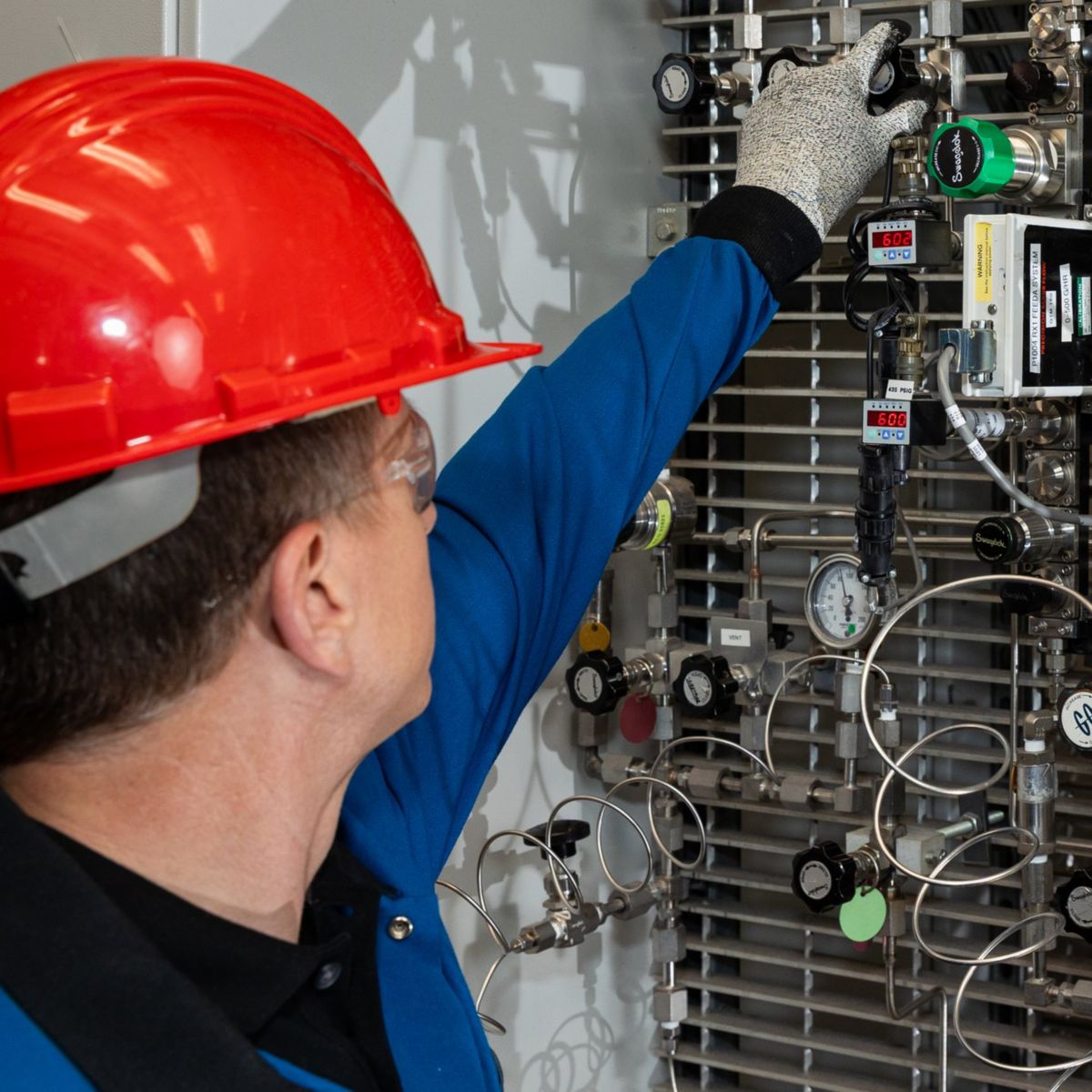
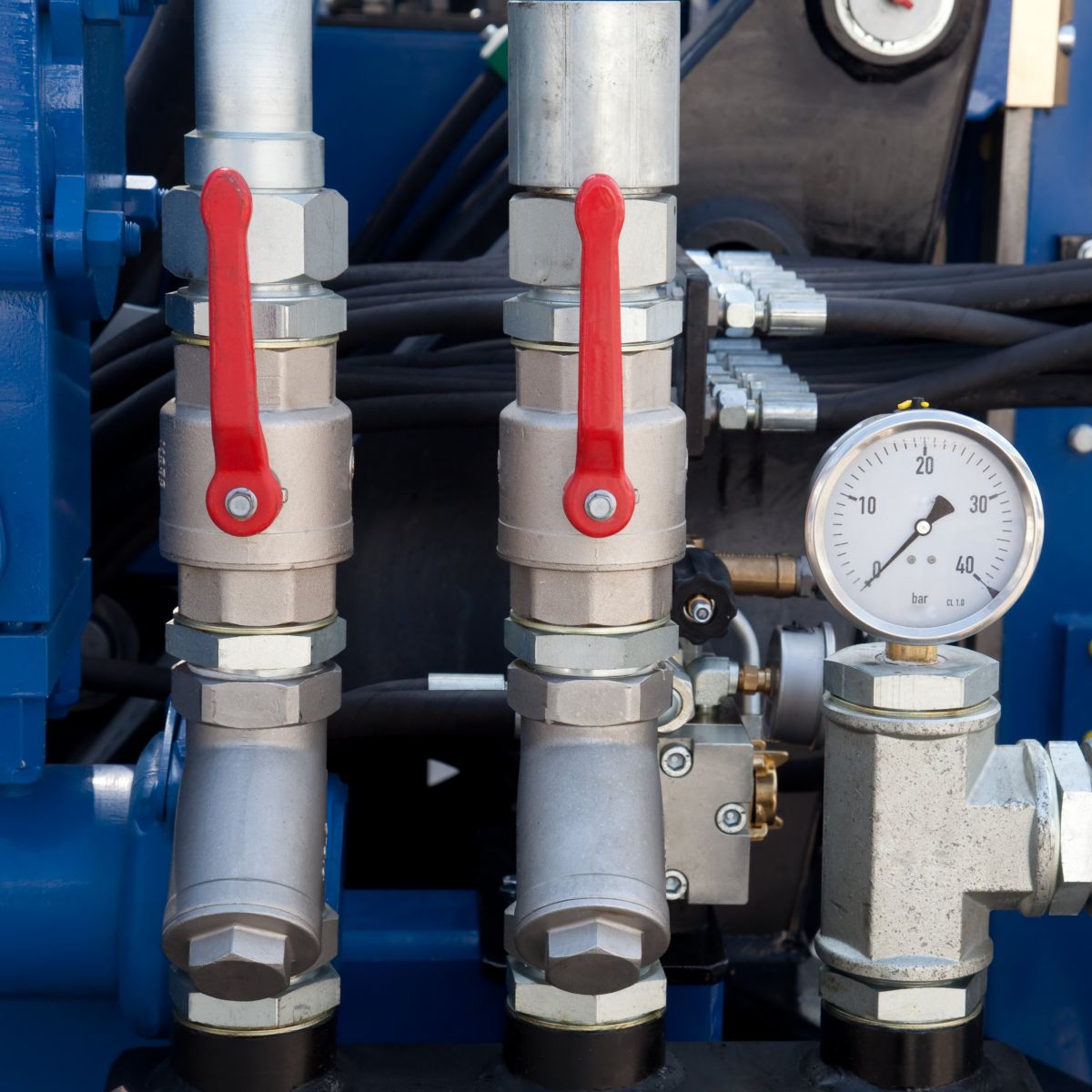
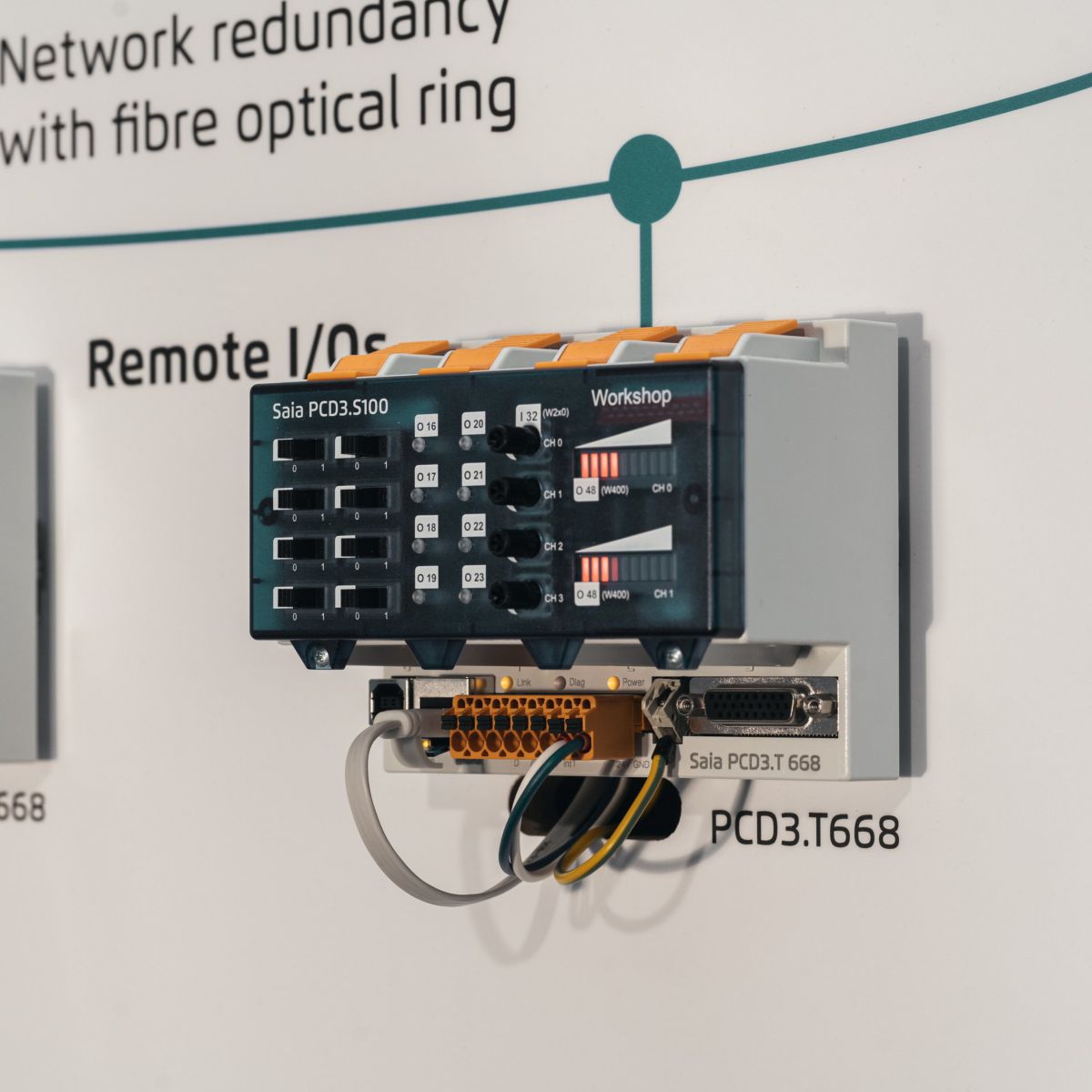
-
-40°C to 125°C operation
PX2 and PX3 Series pressure transducers feature full calibration and temperature compensation across extreme temperature ranges from -40°C to 125°C [-40°F to 257°F].3 ASIC signal conditioning in stainless steel or brass housings helps maintain accuracy in demanding industrial environments.
-
0.05% accuracy
Industry-leading precision sensors like the Super TJE Series deliver 0.05% accuracy4 with zero temperature error less than 0.0015% FS/°F. Double jacket construction and proprietary true gage diaphragm design help isolate strain gage circuitry from atmospheric contamination for long-term stability.
-
20-million cycle rating
Honeywell FSS-SMT Series force sensors are designed for reliability, as illustrated by 20 million Mean Cycles to Failure (MCTF) at 25 °C [77 °F] rating. This low-profile Surface Mount Technology (SMT) sensor allows for automated assembly on a printed circuit board, often helping the customer to reduce assembly costs.5

Industrial Sensor Frequently Asked Questions
Start by defining the measurement type (pressure, temperature, force, current), required accuracy and environmental conditions. Identify the pressure or temperature range, media compatibility needs and output signal format (4-20 mA, voltage, digital). Consider installation constraints such as mounting space, port configurations and electrical connections. Our technical support team can provide application-specific guidance and help configure sensors to match your exact requirements.
Sources:
1. https://automation.honeywell.com/us/en/products/sensing-solutions/sensors/pressure-sensors/packaged-pressure/px2-series
2. https://automation.honeywell.com/us/en/products/sensing-solutions/test-and-measurement/pressure-transducers/model-super-tje
3. https://automation.honeywell.com/us/en/products/sensing-solutions/sensors/pressure-sensors/packaged-pressure/px2-series and https://automation.honeywell.com/us/en/products/sensing-solutions/sensors/pressure-sensors/packaged-pressure/px3-series
4. https://automation.honeywell.com/us/en/products/sensing-solutions/test-and-measurement/pressure-transducers/model-super-tje
5. https://automation.honeywell.com/us/en/products/sensing-solutions/sensors/force-sensors/fss-smt-series