
Refining Catalysts

Advanced catalysts for refining processes

Process heavier crudes, meet tighter specifications and improve yields across refinery operations.

hon-refinery-sunset-stack.jpg
honeywell-uop-catalysts-refining-catalysts-landing-hero-mobile.jpg

Process heavier crudes, meet tighter specifications and improve yields across refinery operations.

A Broad Catalyst Portfolio Across Your Refining Operations

Honeywell UOP refining catalysts help refiners process heavier crudes, help meet stringent fuel specifications and increase product yields across major unit operations. Our comprehensive catalyst portfolio supports hydroprocessing, isomerization, treating and reforming applications with demonstrated performance in existing equipment configurations.

Explore catalyst solutions designed to meet your operational challenges while helping to maintain throughput and cycle length.
High-activity catalysts can help reduce sulfur without equipment upgrades

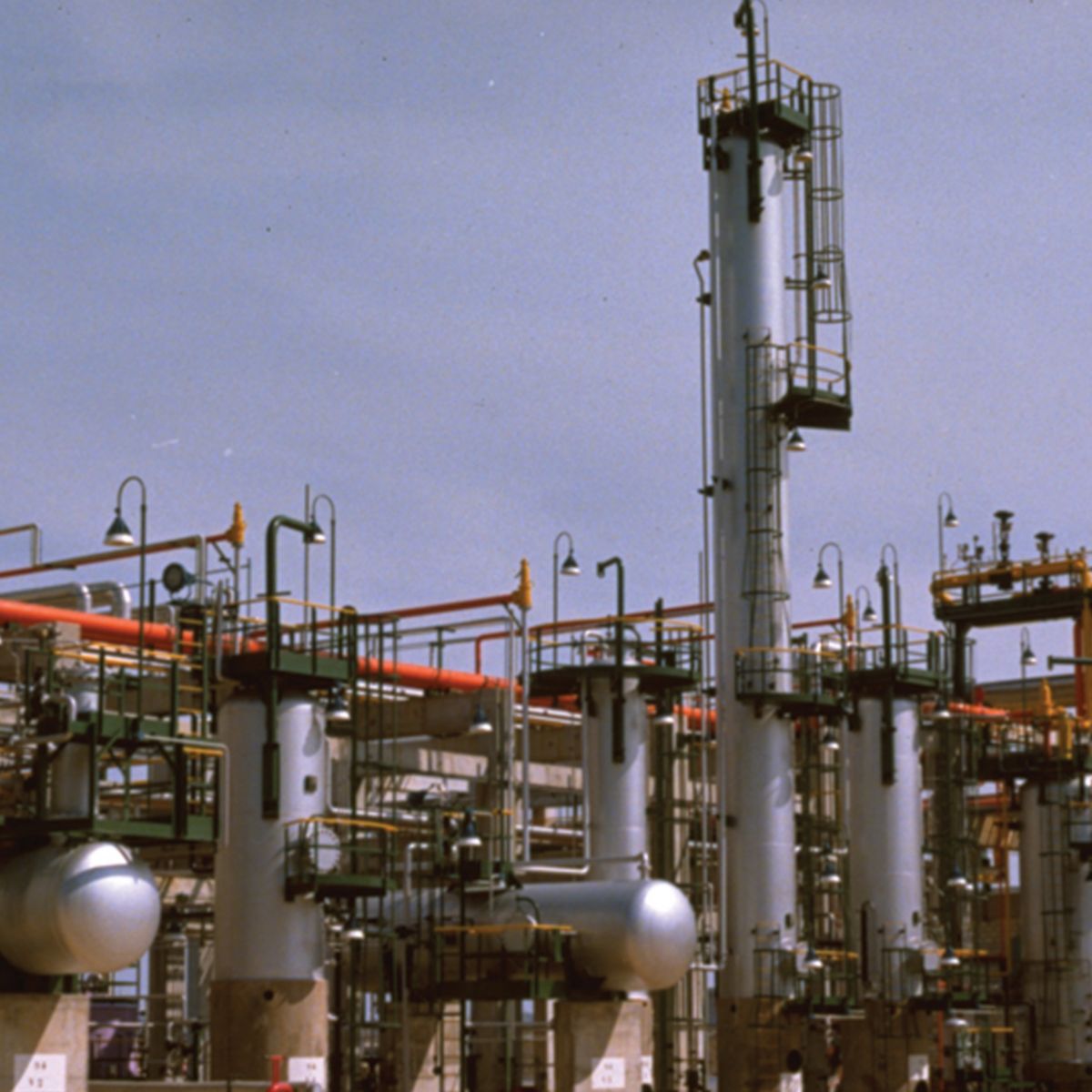
Hydrotreating and Merox™ catalysts help meet <10 PPM sulfur specs for ULSD and gasoline. Merox process can treat LPG, jet fuel and gasoline streams with consistent mercaptan removal.

  • <10 PPM sulfur (Euro V/ULSD compliance)1
  • Merox WS-2 for LPG/jet/gasoline treating
  • Merox process offers >99.5% on-stream availability2
  • Hydrotreat in existing units, typically without costly equipment revamps

Catalysts help increase yields

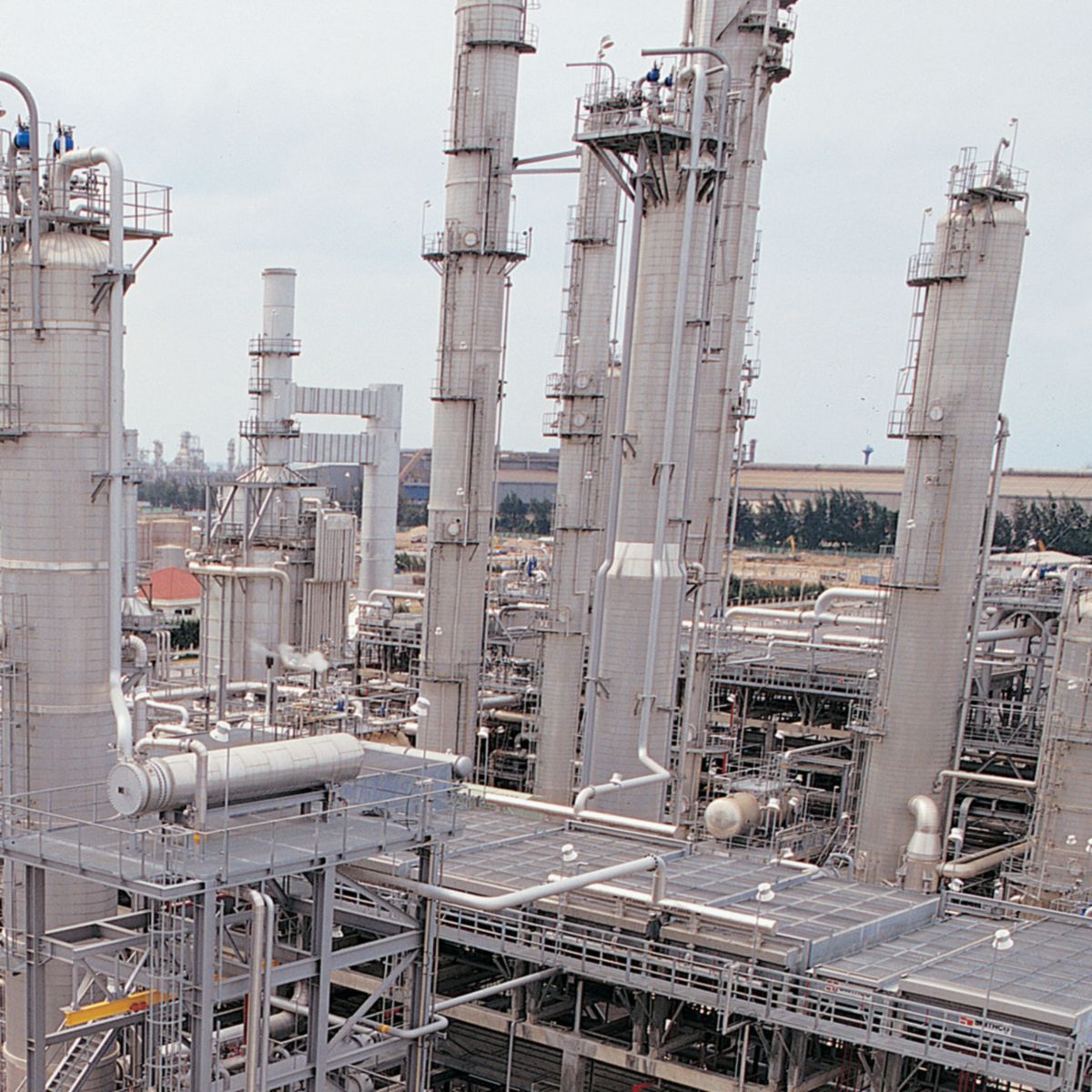
Isomerization and Continuous Catalyst Regeneration (CCR) Platforming catalysts help increase product yields and operational efficiency. They are designed for extended run lengths and high performance.

  • 99% isomerization conversion3
  • Extended cycle life and reduced fill costs
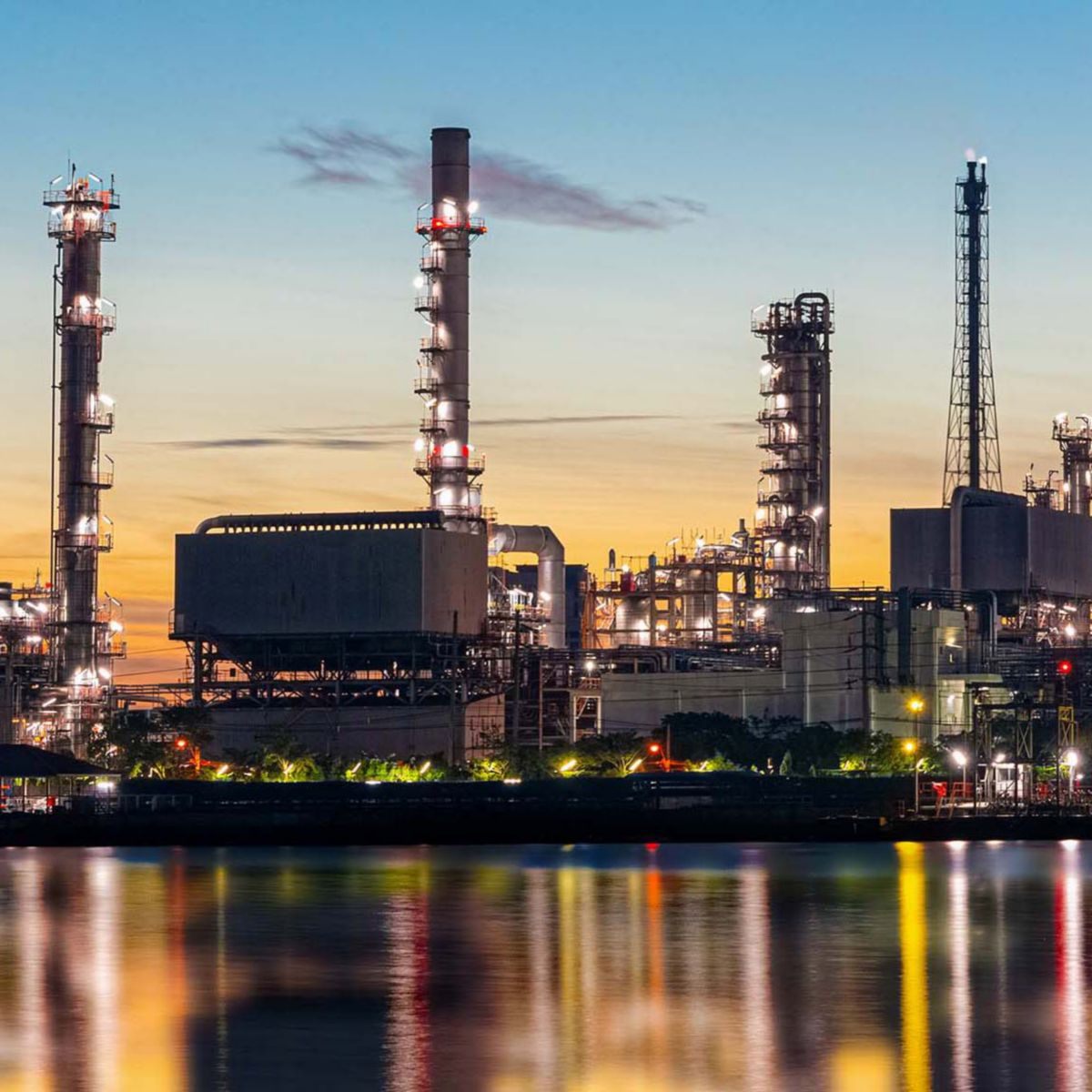
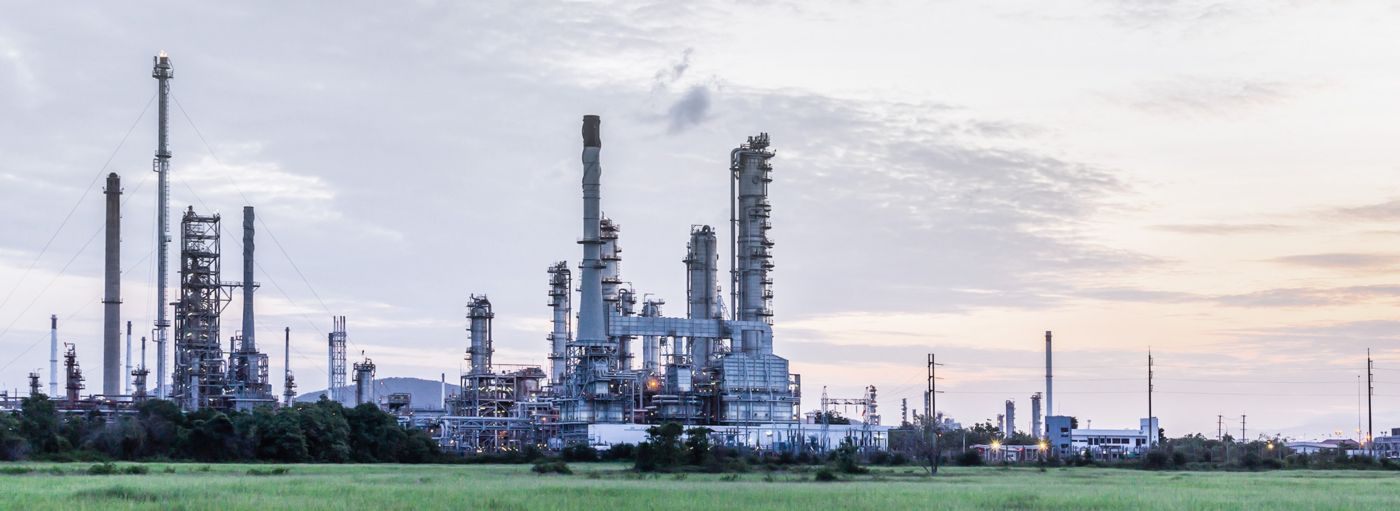
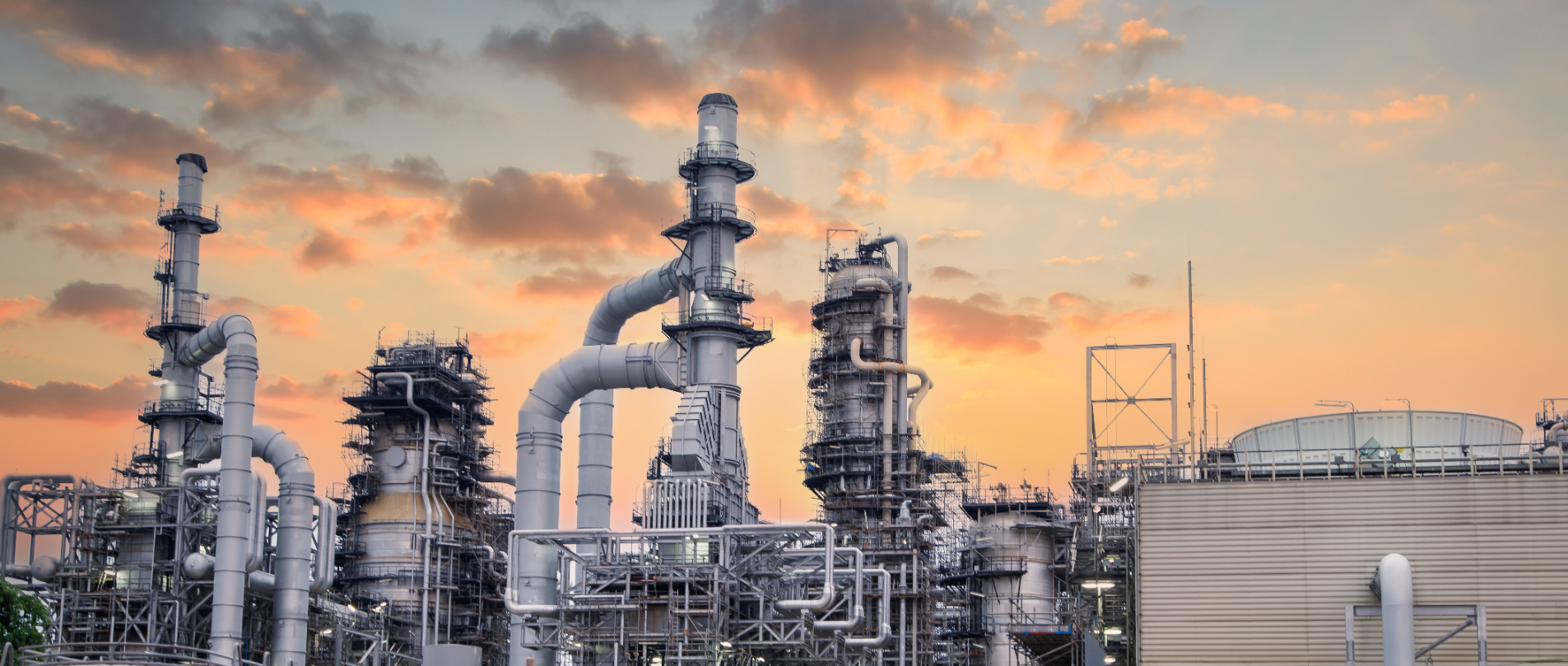
Oil and gas refinery industry plant with glitter lighting and sunrise in the morning, Factory of petroleum industrial, Power plant,Energy power station area. Industry 4.0

Advanced hydroprocessing for heavy, contaminated feedstocks

Hydrotreating and hydrocracking catalysts can process heavier crudes, vacuum gas oil (VGO) and contaminated feeds. UltiMet™ high-activity formulations also help extend cycle life at elevated throughput.

  • VGO and diesel hydrotreating capability
  • High sulfur/nitrogen/metals tolerance
  • HYT-series demetallization pretreat
  • Extended on-stream life at higher feed rates

Wide compatibility across processing configurations

Unity™ Hydroprocessing Catalyst solutions can integrate with existing reactor systems across a wide range of equipment vendors and designs. A wide range of loading options and configurations help adapt to specific unit constraints and performance targets.

  • Works with or without Honeywell UOP equipment
  • Pilot plant tested for site-specific optimization
  • Flexible grading strategies for feed variations
  • Global manufacturing and technical support
  • 98%+ on-stream factor

    With continuous catalyst regeneration, CCR Platforming units can maintain significantly higher availability than the 90-92% typical of semi-regenerative reforming units.4

  • 99% conversion per volume

    I-series isomerization catalysts (I-82, I-84, I-122, I-124) offer near-complete conversion with extended catalyst life.5 Penex™ and Butamer™ process units can achieve high octane upgrading from light naphtha.

  • 1-2 wt% yield increase

    The Unity "100 Series" catalyst refresh program offers higher gasoline and diesel yields while maintaining operational flexibility across diverse feedstock slates.6

Related Solutions

Explore related catalyst technologies that support refining processes.

Customer Stories

Refining Catalyst Solutions in Action

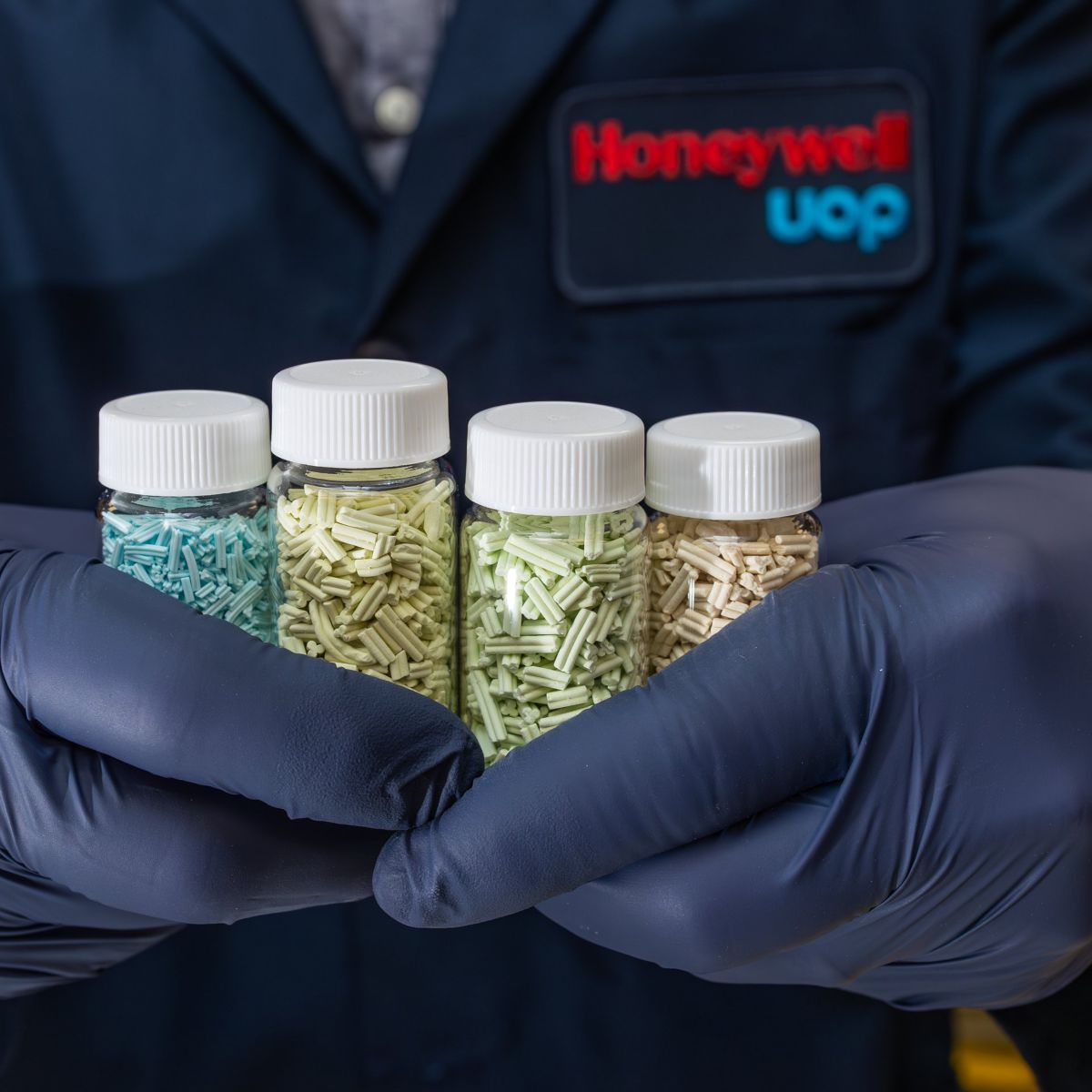
A laboratory technician holds four vials containing various multi-colored industrial catalyst pellets for chemical processing research.

Interactive & Guided Tools

Learn About Renewable Fuels Catalyst Integration

Watch our on-demand webinar covering catalyst systems for renewable fuels production. Technical experts demonstrate how Honeywell UOP catalysts support renewable fuel integration and co-processing across refining operations.

Frequently Asked Questions About Refining Catalysts

Prioritize VGO pretreat catalysts for heavier crudes with elevated contaminants. These catalysts can handle high sulfur, nitrogen and metals concentrations that would poison downstream units.

Operators can reduce risk by using graded loading strategies to help minimize disruption, and by validating performance before full implementation. Place guard beds or lower-activity layers at the reactor inlet to protect high-activity zones downstream, allowing you to test new formulations while maintaining unit stability.

Risk reduction steps include:

  • Validate hydraulic compatibility and pressure drop profiles before change-out to help prevent operational issues.
  • Start with partial replacements to test performance under actual operating conditions.
  • Follow our startup procedures and activation protocols for effective catalyst conditioning.
  • Get on-site commissioning support, if needed, to help accelerate stable operations.

Our catalyst portfolio is engineered for compatibility with existing reactor systems across a wide range of equipment vendors and designs, which can reduce implementation risk and help minimize the need for costly modifications.

A catalyst evaluation requires unit design specs and feed characterization data to enable accurate catalyst selection and performance modeling. This baseline helps establish your operating envelope and identify optimization opportunities.

Unit design specs include:

  • Reactor dimensions, pressure/temperature ranges
  • Hydrogen partial pressure, space velocity
  • Current catalyst loading and grading schemes

Feed data include:

  • Sulfur, nitrogen, aromatics, metals (typical and worst-case)
  • Density, distillation profiles, crude slate variations

Performance data include:

  • Throughput, hydrogen consumption, pressure drop
  • Deactivation rates, operating constraints
  • Business objectives (capacity, flexibility, cycle length)

This information helps Honeywell technical teams model expected catalyst performance under your specific conditions and develop solutions aligned with your economic goals and operational constraints.

Your catalyst strategy starts here

Connect with Honeywell UOP catalyst experts to devise your ideal strategy