
What the EU MDR delay due to the Coronavirus pandemic means for you
May 14, 2020
May 14, 2020

The new EU Medical Device Regulation was pushed back a year. What do you do? We interviewed Sparta Systems project managers for their perspectives.
Q: As of April 2020, EU MDR has been delayed by a year. What does that mean?
A: In light of the COVID-19 pandemic, the European Commission has approved a 1-year delay in the implementation and enforcement of the new European Union Medical Device Regulation.
Q: What new requirements were captured in the EU MDR? Have there been any changes other than the delay?
A: The purpose was to update and tighten regulation of medical devices in the EU. There have been no changes to the MDR as a whole except the Date of Application delay.
Q: Why would the novel coronavirus pandemic have an effect on this regulation rollout?
A: The COVID-19 outbreak and the impact that the resulting response is having several effects that impact this change in timing of the regulation.
Q: Is the delay for Date of Application (DoA) the only change that impacted MDR project at my site, or is the impact more substantial?
A: The delay was implemented, but COVID-19 impacted MDR projects in other ways as well:
Q: What is important to know about managing current processes that are disrupted?
A: Imperatively, knowledge needs to be preserved. If a project is disrupted but expected to be revived, documenting current state while hibernating the project is critical. Critical data around open tasks and project risks need to be captured and recorded. Include timeline projections for when the situation has passed to aid in resource allocation and optimal manufacturing output.
During the pause or disruption, actively monitor the situation externally to determine the resumption timeline. Factors to consider include resource availability, onboarding, ramp up, and changes in teams.
Q: When the process is revived, how should we work smart through it?
When the workflow is opened back up again, that effort of knowledge capture will smooth the transition. Start with a re-discovery to re-assess scope, resources, and risks and determine or confirm deliverables. Do not assume conditions are the same as before a hibernation period.
EBOOK
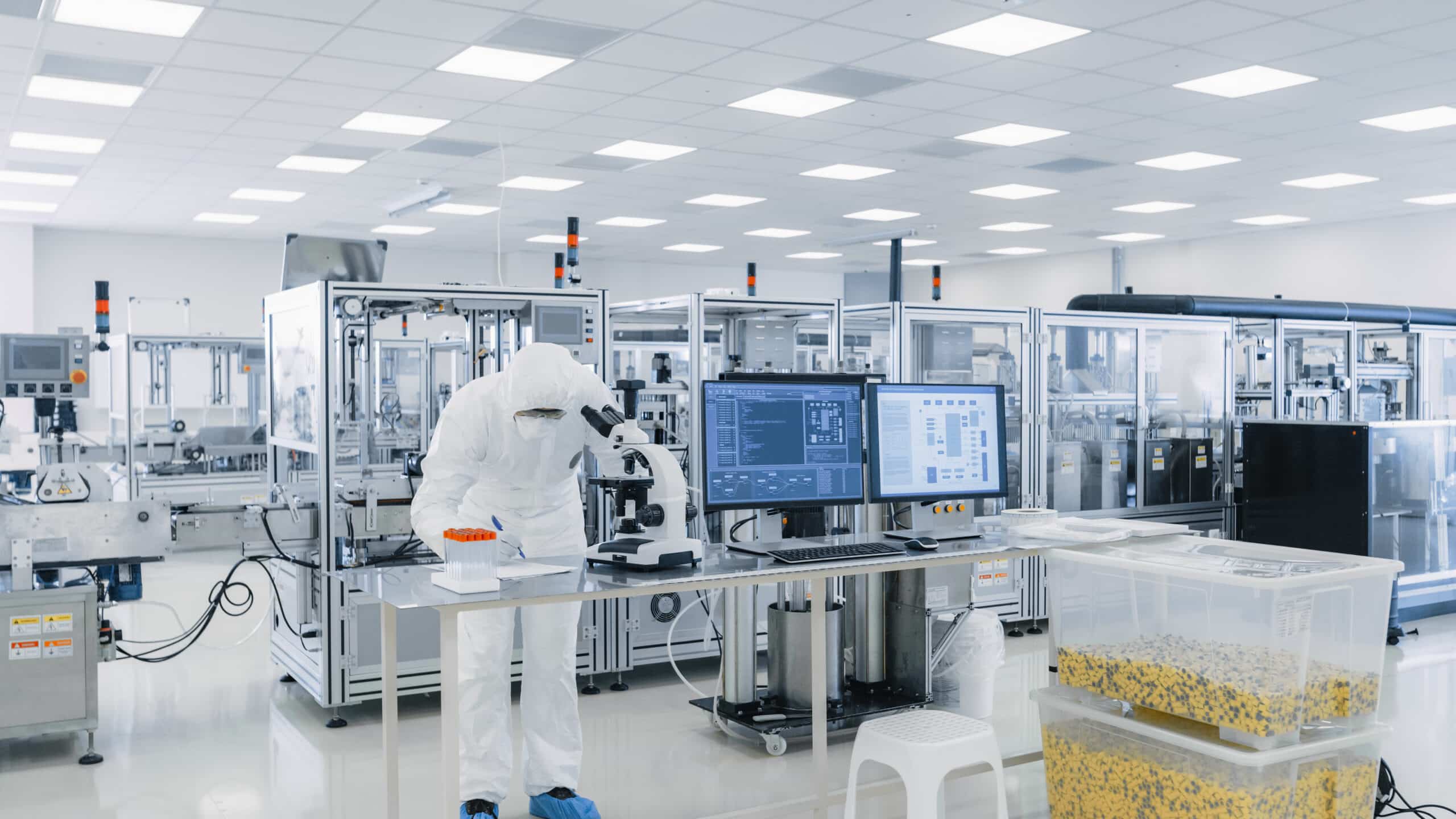
Pharmaceutical manufacturing has never been more complex. The shift toward biologics, personalized therapies, and multi-product facilities demands precision, agility, and rigorous documentation. Yet, many manufacturing leaders still struggle to answer a basic question with confidence: How effectively are our assets actually performing?









.jpeg)