
What is Digitalization? And Why Is It Important?
Understanding the broader transformation of business processes through digital technologies
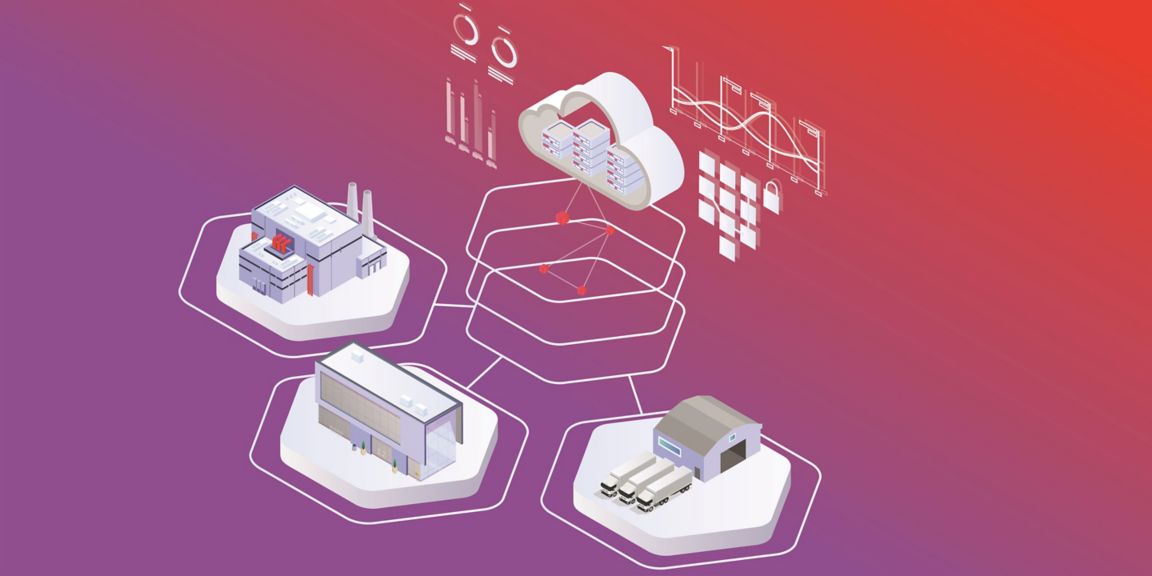
Digitalization is not synonymous with the shorter term “digitization.” Digitization refers to the process of converting information into a digital format, while digitalization refers to the broader transformation of business processes and activities to take advantage of digital technologies and data.
Digitization is often a step in digitalization, but it is not the whole process. Digitalization is more involved – and more powerful.
Digitalization is a digital transformation process that involves the integration of digital technologies into all areas of a business, leading to fundamental changes in how the business operates and delivers value to its customers. The dynamic and rapidly evolving digital landscape is driving disruptive change across all industries – including yours. Here are a few dynamics driving digital business transformation:
Cloud Computing: The cloud has revolutionized the way businesses store, manage and access data. By moving data and applications to the cloud, companies can improve scalability and increase agility (while also reducing infrastructure costs). This scalability and agility is why Honeywell’s SaaS-based Honeywell Forge suite of applications is built on the Microsoft Azure cloud.
Artificial Intelligence (AI): AI helps transform how businesses operate by automating repetitive tasks, providing insights and improving decision-making. A simple example we can all understand is the AI-powered chatbot or virtual assistant used by many companies for customer service. An industrial-grade example is AI algorithms that help optimize supply chains and improve operational efficiency.
The Internet of Things (IoT): IoT involves the interconnectivity of physical devices and sensors, allowing for the creation of smart systems that can collect and analyze data in real time. The industrial internet of things (IIoT) is a further extension used for industrial purposes such as manufacturing, monitoring, and supply chain management, enabling companies to improve the efficiency of their operations.
The Future of Digitalization is Now
The rise of cloud computing, artificial intelligence (AI), and the internet of things (IoT) has pushed the future of digitalization into the present. Add in a global pandemic that forced many businesses to shift to digital business solutions and remote capabilities, and it’s clear to see why organizations must continue to embrace and expand their digital transformation strategy to stay competitive.
Now that you’ve gotten an overview of what digitalization is, let’s briefly outline why digitalization and business transformation are important.
Data-Driven Decision Making: Intelligent operations provide organizations with real-time data that can be used to make informed decisions and improve operations to drive business growth. The data you’re already creating can be unlocked to uncover hidden patterns across the entire enterprise. With digitalization, an enterprise can store, process and visualize data in new ways to speed decision making.
Improved Efficiency: By automating repetitive tasks and streamlining processes, companies can reduce costs, increase productivity and improve the speed and accuracy of their operations. Patterns can be recognized more quickly, increasing the pace with which both inefficiencies and opportunities are identified.
Increased Safety: Automated systems are often safer and more reliable than manual systems, helping organizations reduce the risk of accidents and improve safety.
Cost Reduction: By automating tasks and reducing downtime, industrial intelligent operations can help organizations reduce costs and improve their bottom line.
Connected Workforce: An effective digital transformation strategy goes beyond assets and processes. The workforce must also be involved. Digital transformation can help fill skills gaps and upskill a workforce, so they are free to focus on higher-level tasks.
Overcoming Digitalization Challenges and Obstacles
Three digital transformation challenges come up often when Honeywell speaks to industry leaders about their digitalization efforts. Honeywell used this input to build our digital transformation management implementation process so we are at-the-ready to alleviate issues before they occur.
The first challenge is data aggregation. Siloed operational technology systems from different vendors and different integrations are usually not natively designed to talk to each other. So, an enterprise may be creating data – but not using it. Or only using it in small ways and not connecting and scaling the insights across the enterprise.
The second challenge is how to scale impact to create lasting value. With a partner at your side, you can better keep your stakeholders invested in the project with real, robust use cases and results. Your solution needs to tell the whole story for end-to-end impact.
The final challenge involves companies who don’t know how to start (or continue) digitalization or who try to tackle the problem alone. It can be daunting if you’re not a transformation specialist, as these projects often come with new tools and a learning curve. That’s why it really is a project that needs a call from a digitalization expert.
Honeywell: We’re Ready Now to Drive Your Digital Transformation
Honeywell brings decades of industrial experience and our digital transformation acumen to help companies harness the power of data and turn it into actionable insights. We understand how to bring disparate systems together and are empowering the operational technology side of the business to solve its own challenges in a scalable, functional way that ties business value to the day-to-day operational changes.