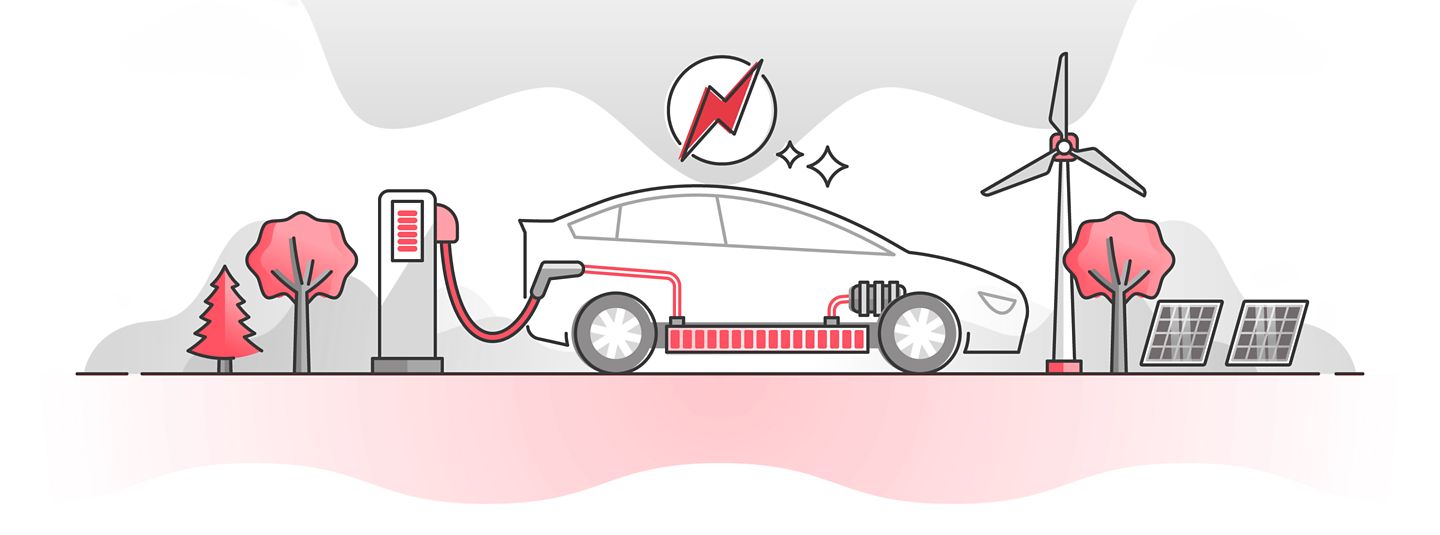
- Electric Vehicles — Even though EVs represent a small number of vehicles in cities and rural communities (and even though EVs are DERs themselves), the recent federal investment in EV charging infrastructure development alongside designated highways, interstates and roadways suggests a slow but steady surge in energy consumption over time.4 Utilities must be prepared to handle peak periods of concentrated charging in the future.
- Data Warehouses — For utilities and countless other businesses, operations, etc., data is more available and accurate than ever. Once captured, it’s increasingly common for data to live in data warehouses, systems that store various metrics over time and make them accessible for analysis and valuable insight extraction. To maintain powerful servers, data warehouses consume a staggering amount of energy; these centers account for around 1% of global electricity use.5 As our amounts of data continue to grow, data warehouses will grow in parallel, and utilities can help data warehouses use energy more efficiently.
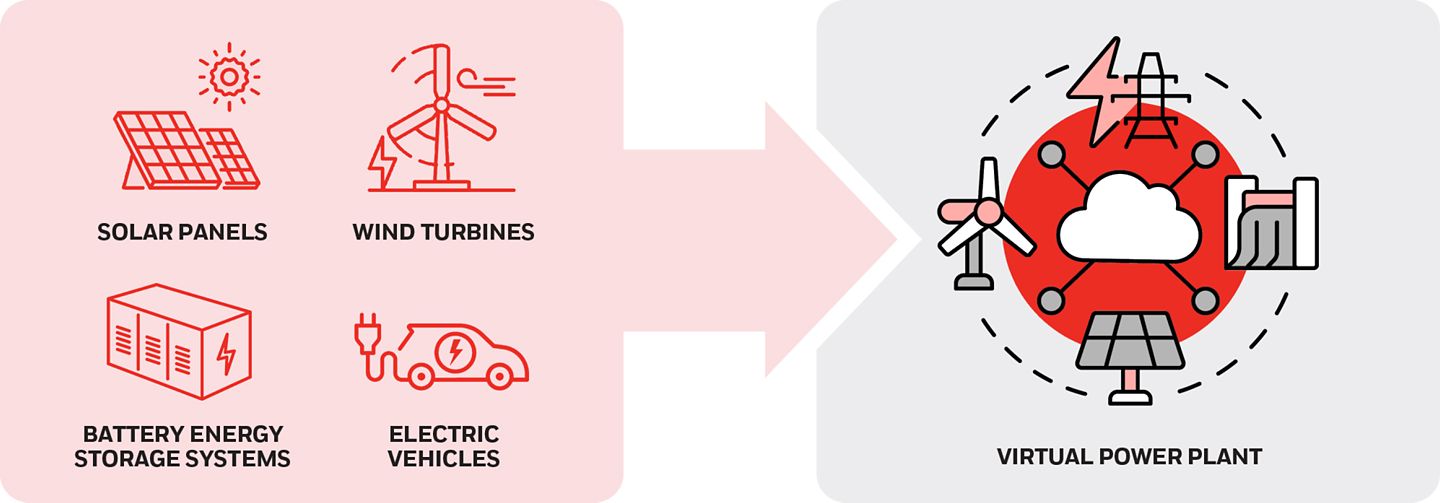
- Battery Energy Storage System (BESS) — BESS is an energy storage technology that can be used as a distributed energy resource, reserving energy from fossil fuel sources and renewable sources first, then distributing it during and after weather events that cause outages. This technology is important to utilities because the market for battery energy storage systems is growing; in the power sector, battery storage was the fastest-growing technology in 2023 that was commercially available, with deployment more than doubling year-on-year.6 Managing BESS effectively can provide continuity in case of supply disruption.
Utilities must respond to the inevitable growth in energy consumption by EVs, data warehouses, BESS and more, plus the need for additional energy generation. Utility-led management of DERs is an integral part of this response.
HONEYWELL’S APPROACH TO AND SOLUTIONS FOR DISTRIBUTED ENERGY RESOURCES
Because of the growing availability of distributed energy resources — their integration within the grid and the formation of microgrids — we developed an array of solutions and services that help utilities manage DERs, grid loads and microgrids with greater efficiency, efficacy and visibility.
Honeywell Forge Performance+ for Utilities is the solution at the center of our efforts.
Honeywell Forge Performance+ for Utilities is an advanced digital platform that measures, monitors, processes and analyzes utility data (from smart meters, etc.), then turns it into actionable insights for the most effective use of assets and resources — DERs included. Powered by a data-driven recommendation engine, it can help utilities track energy consumption in real time and gather information over specific periods to identify operational trends.
With these intelligent measurement, monitoring and management capabilities, Honeywell Forge Performance+ for Utilities brings valuable visibility and control to distributed energy resources. Here’s how: