
Tiny Devices, Big Impact: How Inertial Measurement Units Power Everyday Life
We're celebrating the delivery of our one-millionth inertial measurement unit (IMU) by sharing a little about the big role IMUs play in your life.
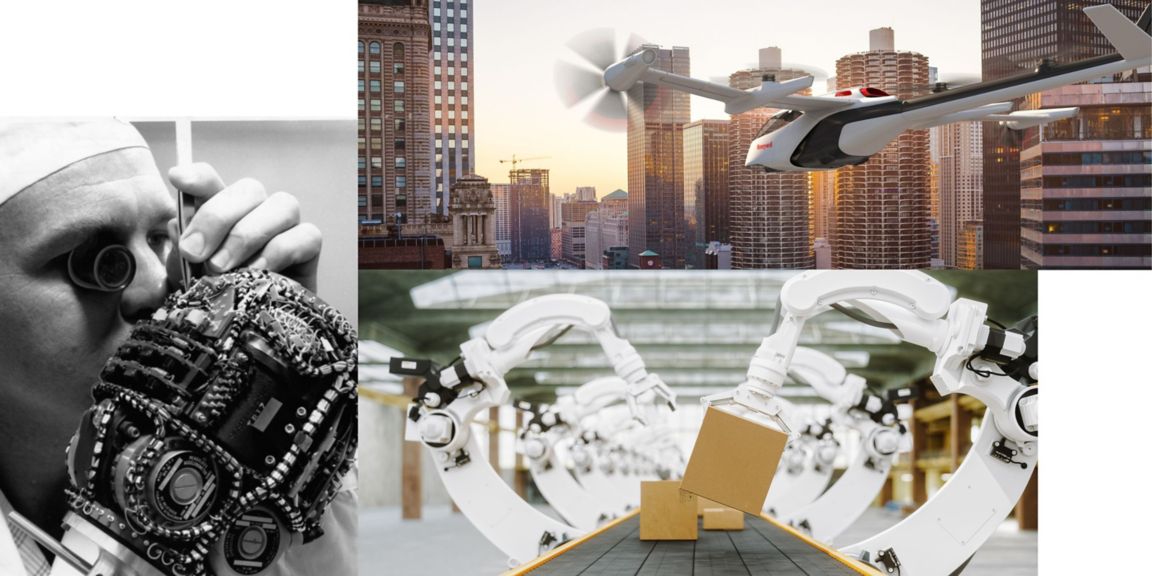
For the past three decades, Honeywell has been designing and manufacturing inertial measurement units (IMUs), which provide motion, position and navigational data that help keep spacecraft, aircraft, and even lunar rovers oriented in space as they move about.
Known as tactical-grade IMUs, the technology plays an important role in systems that keep Hollywood’s cameras stable and autonomous vehicles on the road.
On December 7, Honeywell’s one-millionth IMU came off the production line in at its manufacturing facility in Minneapolis. This milestone moment is a testament to the utility and ubiquity of IMU-based systems in all kinds of aviation, aerospace and industrial applications as well as technologies and systems you use every day.
IMU basics
IMUs use gyroscopes, accelerometers and electronics to provide precise rotation and acceleration data to a machine’s control system. They enable machines and systems to stay oriented in space by calculating where they are, what direction they’re going and at what speed. That makes IMUs an indispensable technology in any application where it’s important to accurately measure and compensate for vibration and motion, especially in challenging conditions. They’re also capable of guiding an aircraft or vehicle along its way in the absence of external aiding signals such as GPS data.
IMUs are why navigation and sensor technology go hand in hand. Honeywell's legacy in developing navigation systems dates to the 1920s, and since then, our teams have developed and manufactured high-performance navigation solutions found on many aircraft and other vehicles worldwide.
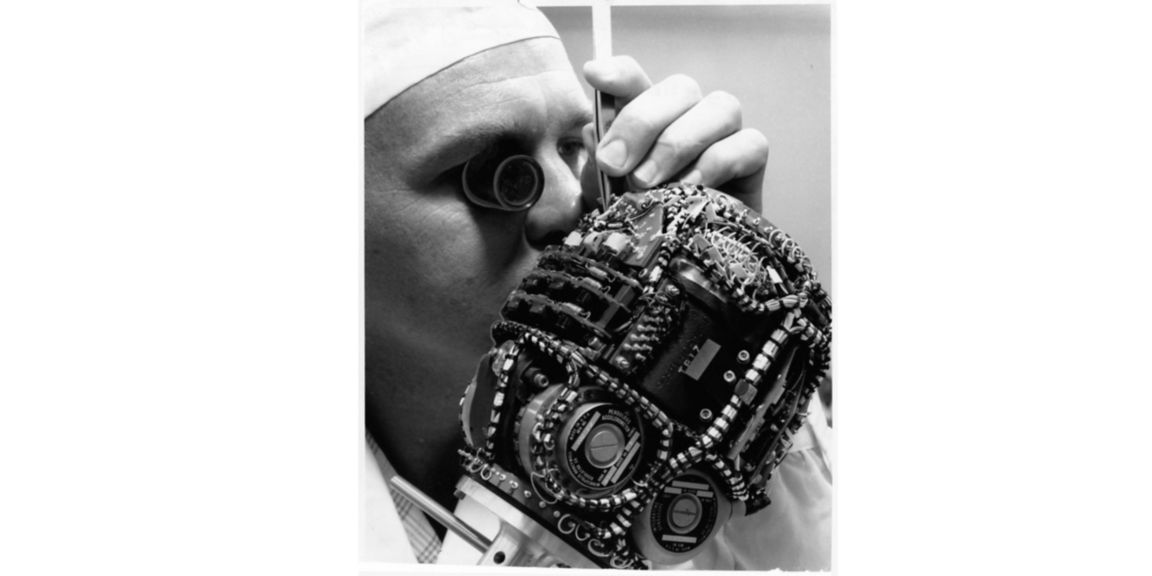
A Honeywell technician makes a wiring check on an inertial guidance system for a space vehicle (circa 1965). Photo source: Minnesota Historical Society
Enabling innovation and safety
Use cases for IMUs are almost limitless. Over the years, they’ve become critical components in all kinds of machines that move. Because IMUs are mechanical at heart, they can’t be electronically jammed, making them the most dependable positioning sensors.
In the 1960s and 70s, NASA relied on early IMUs to safely guide astronauts to the moon and back. Like the pioneering research organization, Draper, you might call IMUs The Heart of Apollo Guidance. As IMUs proved their value, they became must-have technology aboard airplanes and helicopters as well as ships, spacecraft and satellites.
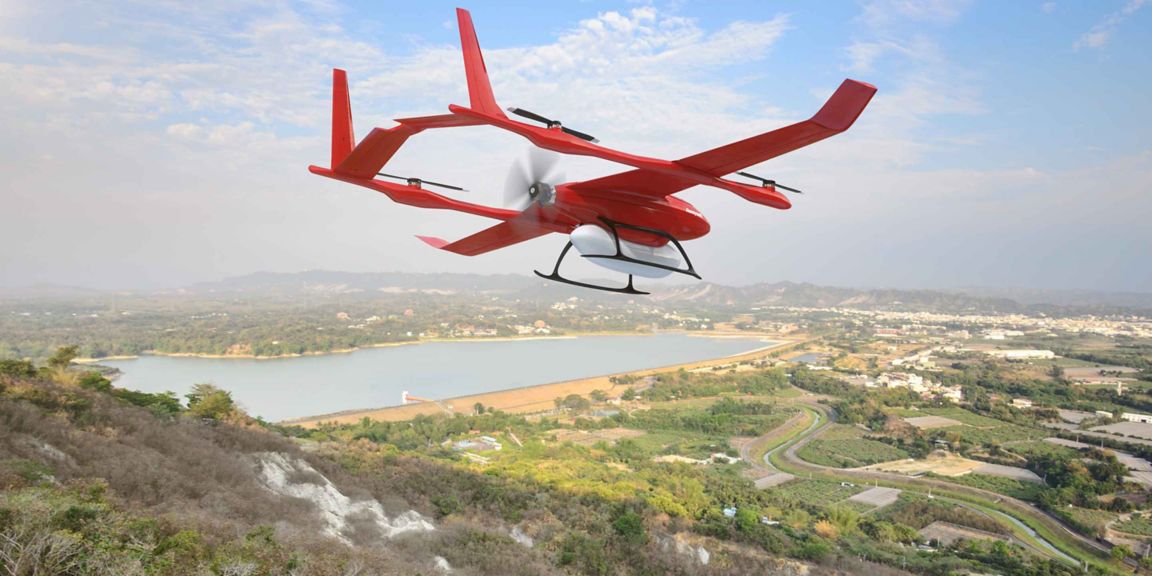
Advances in manufacturing and miniaturization led to new uses for IMUs. Today, IMUs help unmanned aerial vehicles, commonly known as drones, navigate safely even when they are thousands of miles away from their pilots. IMUs also help orient helicopter-mounted cameras like those that news and rescue crews use to monitor action on the ground.
Keeping everything on track
In manufacturing settings, IMUs help orient robotic arms on automotive and other assembly lines, allowing for the precise positioning of multiple parts along with tools such as welders that join them. IMUs are also a foundational technology behind smartphone apps that allow you to input an address and virtually visit almost any location in the world.
At home, IMUs help coordinate augmented reality systems, tracking the movement and position of a user’s head and hands as they face off against opponents in the virtual world. And IMUs are no stranger to sports in the real world.
As you settle in to watch a football game on TV, IMUs are hard at work keeping track of each camera’s precise orientation to the field. The data they provide helps ensure that the first-down line always appears in the right location and perspective on your screen.
Likewise, fans of horse racing, swimming and golf benefit from IMU-based technology. As part of a complex augmented reality system, IMUs make it possible to project a virtual finish line onto a racetrack or show lane numbers and swimmers’ names on the water’s surface. IMUs also help trace the flight of a professional golfer’s ball on its way to the green.
In auto racing, IMUs combine with GPS technology and engine data to produce incredibly accurate models of a car’s trip around the oval. Together, they help drivers and their teams determine the optimal path and driver inputs needed to gain an edge.

Making life better
As we celebrate our one-millionth IMU, we’re proud to continue playing a leading role in advancing IMU technology. Behind the scenes, these unseen positioning sensors will keep making manufacturing more efficient, help farmers optimize crop yields, keep your airliner on course and enhance everyday life.
In the future, IMUs may even help people with disabilities regain movement. Researchers are evaluating robotic exoskeleton technology that provides powered hip and knee movement to enable people with spinal cord injuries to stand and walk.
IMUs are one of those technologies that seem to hide in plain sight, despite the important role they play in our lives. Learn more about our legacy of developing technology that powers aircraft.