

-
-
Need a Honeywell Account?
Create an AccountAlready have a Honeywell account?
Sign In -
Home My Account Order Management Invoice Management Case Management Saved Carts Address Book Legacy myTransactions Price Agreement Wishlist Advanced Search Preferred Business EntitymyProcess Home My Account Favorites Saved Cart Address Book Order Management Invoice Management Quote History Discount History Service ContractsMy Account My Profile My Orders My Orders Shop My Quotes My Returns Saved Carts Return Requests Invoices My Contracts Case History Work Order History My Subscriptions My Assets Manage Trainings & UsersHome Account Case Management Order Management Saved Carts Favorites Address Book Asset Management Quote ManagementCurrency:Localize your Content
You can set your preferred currency for this account.
Currency- CHOOSE YOUR CURRENCY
Update Currency
Changing Currency will cause your current cart to be deleted. Click OK to proceed.
To Keep your current cart, click CLOSE and then save your cart before changing currency.
Select AccountSwitching accounts will update the product catalog available to you. When switching accounts, your current cart will not move to the new account you select. Your current cart will be available if you log back into this account again.
Account# Account Name City Zip/Post Code PROCEEDCANCELMy Account
-
You are browsing the product catalog for
You are viewing the overview and resources for
to view parts associated with your account
Here's When You're Most Vulnerable to a Cyberattack
In our digital world you are at risk — find out what you can do about it.
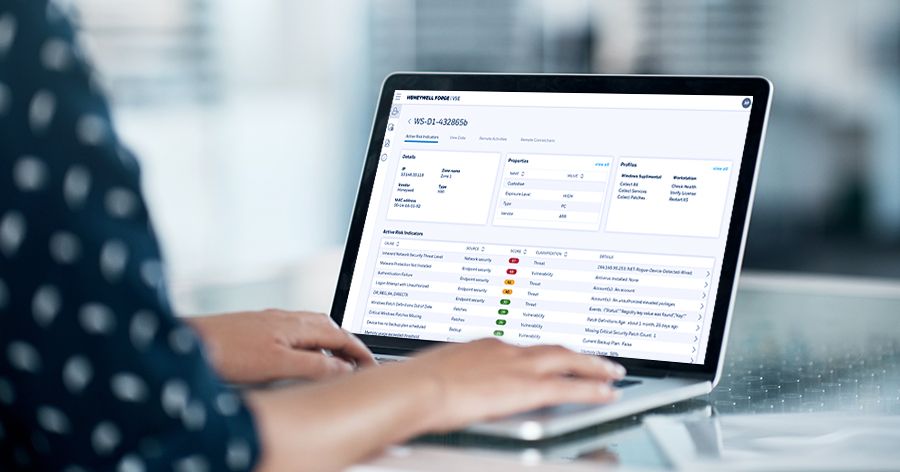
Cybersecurity expert Sam Wilson has created hundreds of passwords for online accounts.
Most of these passwords are more than 20 characters and random sets of letters, numbers and symbols. Sam only remembers one password – the login for his password manager.
The tool he uses help keep his accounts and devices secure from potential threats against his personal or business information.
Sam, who has a background in technology and advocates for strong cybersecurity best practices, knows cybersecurity threats are real and costly.
About every 13 seconds, a business falls victim to ransomware attacks, according to Cyber Defense Magazine.
“Humans are often the weakest link in any system,” Sam said. “No one should assume that they are not a target of interest.”
And employees of businesses should be cautious.
“If you can be associated with a high value target, that makes you a collateral target.”
Here are three situations when people should be more vigilant in maintaining good cybersecurity practices:
1. When you travel
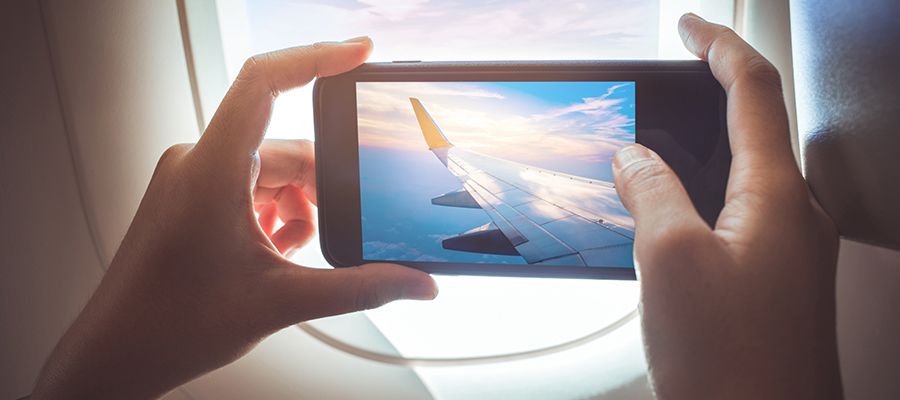
When you’re at an airport, traveling on a flight, staying in a hotel or dining in a restaurant you are susceptible to nefarious players who want to access your information.
“Any places when you’re jumping on public Wi-Fi makes you especially vulnerable,” Sam said.
During a trip, you’re likely preoccupied – looking at reservation information, checking email, hailing a rideshare. That makes you vulnerable, especially if you’re in a rush or traveling internationally.
How to protect yourself: Use a VPN service, even if the Wi-Fi is password protected. That will encrypt your traffic, which will reduce the chance of someone accessing confidential information.
2. When you are at home
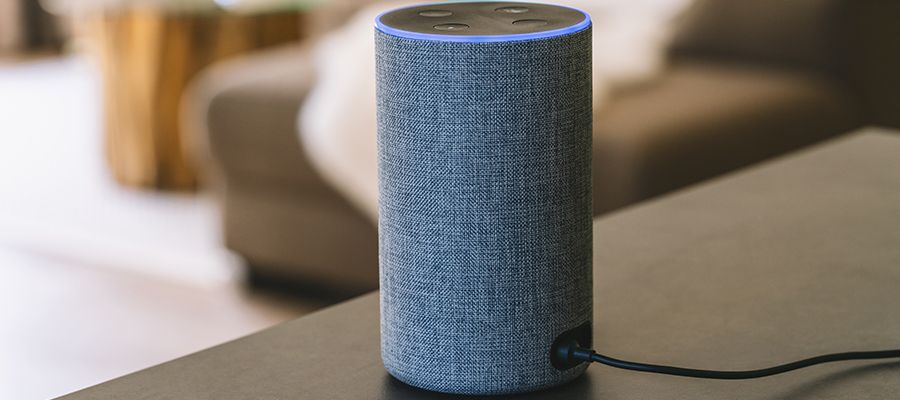
Hey smart speaker: Are you hackable? As our homes become more connected, they are more at risk. Everything from internet routers, security cameras, printers and other devices that run software can be hacked.
How to protect yourself: Perform regular or automated software updates on your devices to keep them current. Also use multi-factor authentication on every account where available and a password management tool. “There are very affordable tools that are designed to make good security behavior as easy as possible so we should take advantage,” Sam said.
3. When you use a USB
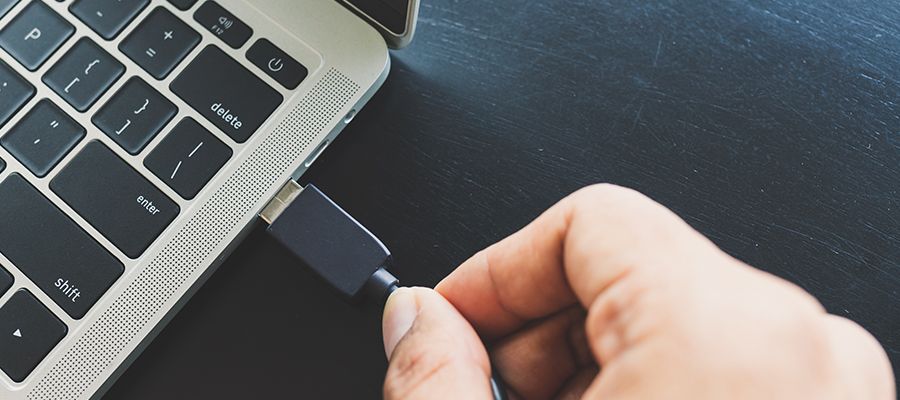
While there isn’t a threat around every corner, we now live in a hyper-connected society where new types of attacks can have rapid and far reaching consequences. Threats can be found in USB devices (even e-cigarette chargers have been proven to be hackable.)
“The last thing people need is to suffer the inconvenience or worse of becoming a victim of a cyberattack,” Sam said. “People are finally becoming more aware of their social media footprint but now more than ever, they need to go beyond. If their personal devices or computers are compromised, it won’t matter how careful they are on social media, anything private is at risk.”
How to protect yourself: Only use USB devices and cables from locations you are familiar with and trust.
Learn more about how to protect yourself and your business from cyberattacks.
Copyright © 2026 Honeywell International Inc

Maximum File Size
Maximum Files Exceeded
Due to inactivity you will be logged out in 000 seconds.
Maximum File Size
Maximum Files Exceeded
You cannot access this page as this product is not available in your country.
Maximum File Size
Maximum Files Exceeded
This product is not available in your country.
You cannot access this page as this product is not available in your current country. To view this product, please change your product catalog view.

We use cookies and similar tracking online technologies to improve website performance, record website activities, facilitate information sharing on social media and offer advertising tailored to your interest. For more information, see our Cookie Notice and Terms and Conditions. You can also customize your browser’s cookie settings. Please note that if you refuse cookies, it may affect site functionality and performance.