
Energy Efficiency Goes High-Tech: A Look at the Future of More Sustainable Living and Travel
From the aircraft taking you on your next trip, to the buildings you work in – learn how energy efficiency is at work all around you.
Thanks to software, automation and data, the way we travel, work and live is changing rapidly.
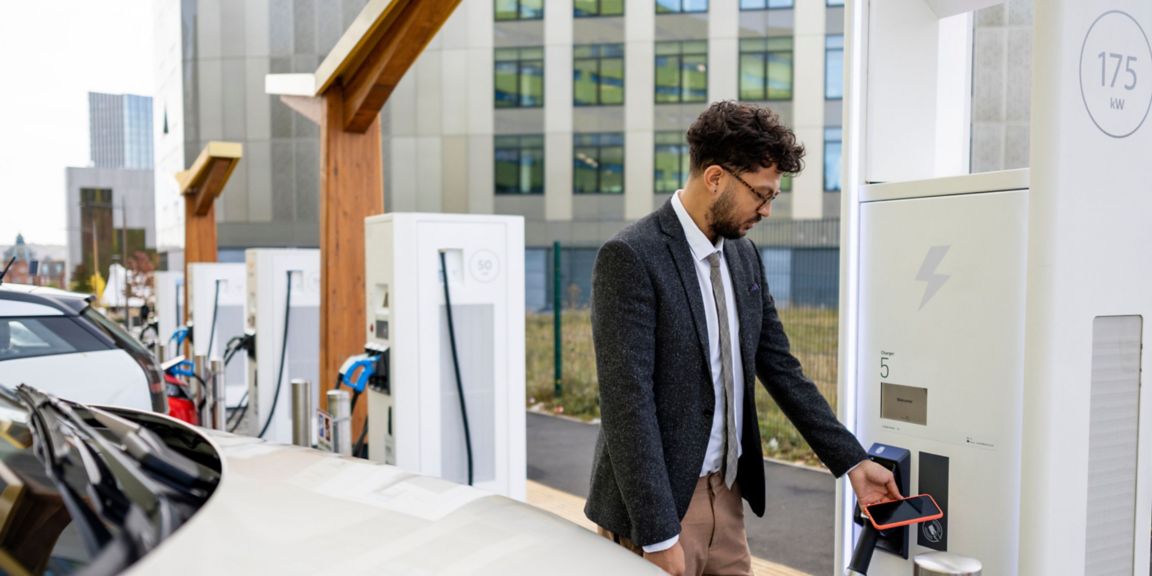
If you’re charging an electric vehicle instead of filling up at the pump or working in buildings where software is improving indoor air quality and energy usage – you’re already experiencing how technology can help you live smarter and be more efficient.
Energy efficiency is at top of mind for many companies with goals to make their operations more sustainable. According to the latest data from the Environmental Sustainability Index, a survey of more than 700 decision makers involved with sustainability initiatives at companies around the world, energy efficiency is their organizations’ top sustainability priority, surpassing emissions reduction, pollution prevention, and circularity and recycling.
Keep reading for a glimpse at some of the ways energy efficiency is at work in the world today, and what’s to come.

Air travel
When you board an aircraft today, it's most likely powered by traditional jet fuel. When burned in aircraft engines, that carbon from the jet fuel is released into the atmosphere.
Sustainable aviation fuel (SAF) is a more energy-efficient upgrade to jet fuel as we know it today. SAF is a low-carbon alternative to conventional, petroleum-based jet fuel that is made from renewable materials. Sustainable aviation fuels that serve as drop-in technology can be used to power existing aircraft without having to reconfigure engines or change how airports fuel the planes.
New ways to develop SAF are expected to help solve energy challenges in the future. For example, one renewable jet fuel production process allows for the conversion of ethanol, which you may know from the gas station today, into a low-carbon energy source for airplanes.
Aircraft flight efficiency software is another advancement designed to help pilots be more energy efficient. As aircraft operators and airlines look to reduce their carbon footprint, they’re turning to software that monitors flight data and recommends the most fuel-efficient routes and altitudes.
Buildings and cities
It’s important that buildings are functional and comfortable for the people who occupy them, as well as the environment. People who spend their workdays in buildings, whether it’s a hospital, school, airport or another indoor setting, are expressing concerns about the building's indoor air quality and carbon emissions, based on findings from Honeywell’s third-annual Healthy Buildings Survey.
Many buildings are adopting smart technologies to monitor and manage buildings' energy usage. For example, building software that uses artificial intelligence and machine learning algorithms to drive efficiency, resiliency and accountability, can help building owners and operators better support occupant well-being by reducing the building’s environmental impact and optimizing indoor air quality.
Predictive maintenance is another technology being used to help buildings and cities run more efficiently. By using sensors and data analytics, building managers can identify and address maintenance needs before they become major issues. This can reduce downtime and maintenance costs, while also improving energy efficiency. For critical infrastructure, such as data centers, software providing managers and owners with better visibility into asset health, worker productivity, operational expenses and sustainability data is crucial to avoid preventable outages.
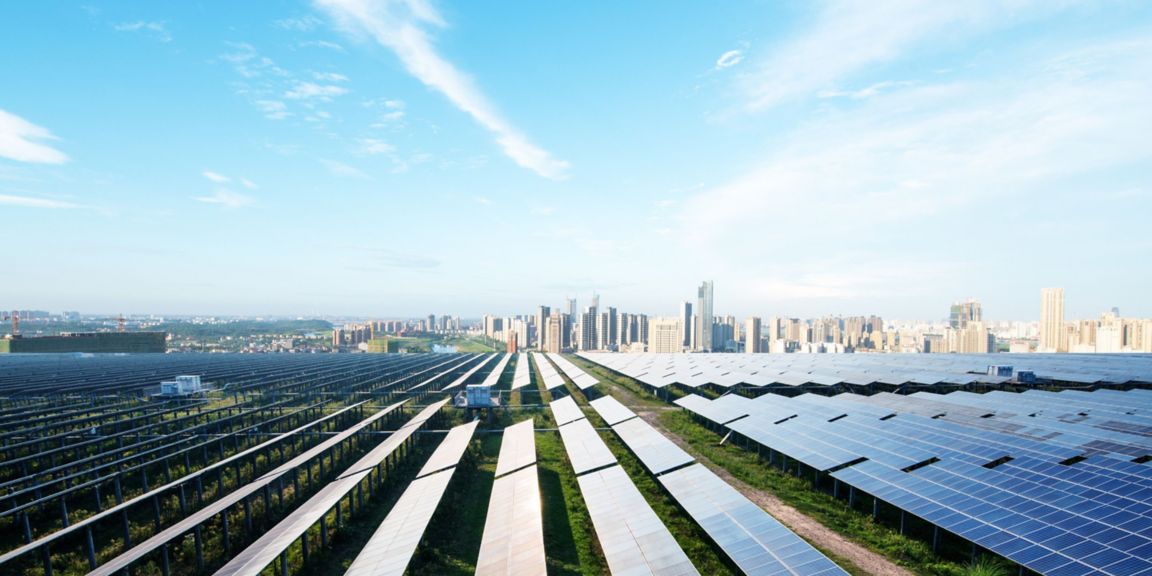
Smarter cities are more resilient cities, and energy storage is one of many advancements that will be critical in helping cities and communities prepare for natural disasters and other emergencies that may cause power outages. Energy storage technologies enable the capture and storage of excess energy generated by renewable sources, such as solar panels or wind turbines – resulting in a reliable supply of electricity.
Transit and commuting
Cars and buses powered by electricity are becoming more common – you may even be driving one yourself. As electric vehicle (EV) adoption increases and as more drivers go electric, the safety and efficiency of these vehicles is critical.
Advancements like sensors that can detect safety risks, including fires that can start in EV lithium-ion batteries, help to enhance safety for EV drivers and car manufacturers.
When it comes to technology allowing your morning commute to be more efficient, changes aren’t only happening on the ground.
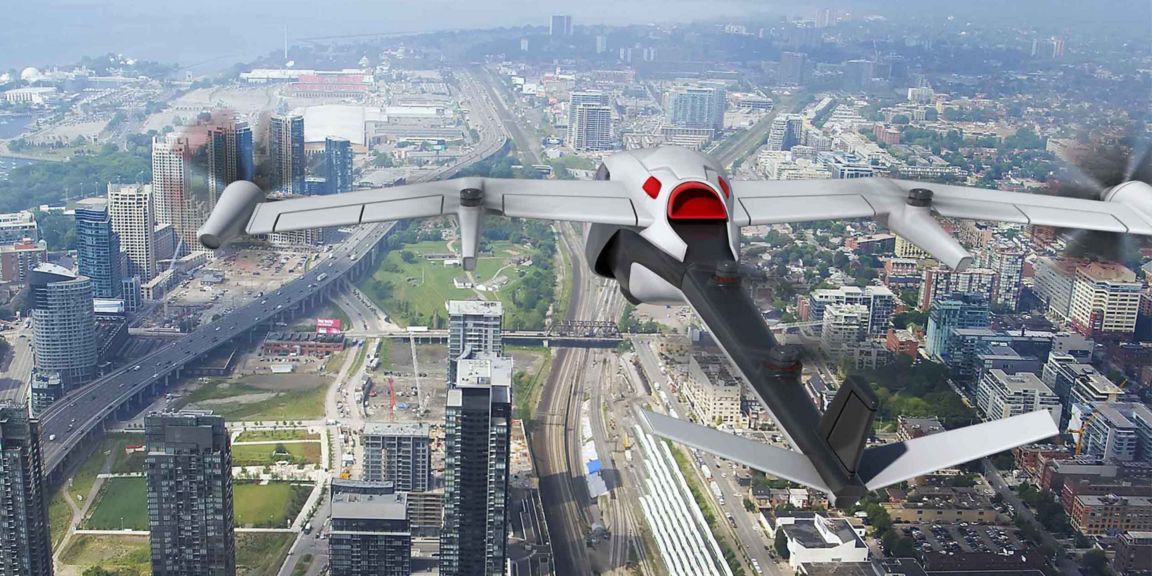
Urban air taxis, formally known as Urban Air Mobility (UAM) vehicles, are set to transform cities and offer a more environmentally friendly mode of transit, thanks to electric and hybrid-electric power sources designed for this new breed of transit.
Want to learn more? Meet the people behind innovations like Urban Air Mobility avionics and healthy building technologies: Hear from aerospace systems engineer José and buildings expert Nikki.
Thanks to software, automation and data, the way we travel, work and live is changing rapidly.