

-
-
For Buildings Automation
Go beyond building controls
For Industrial Automation
Sensing Solutions, Gas & Flame Detection.
For Process Automation & Technology
Measurement & Control, Smart Energy, and Thermal Solutions.
Expert solutions powering the future of energy.
-
Home My Account Order Management Invoice Management Case Management Saved Carts Address Book Legacy myTransactions Price Agreement Wishlist Advanced Search Preferred Business EntitymyProcess Home My Account Favorites Saved Cart Address Book Order Management Invoice Management Quote History Discount History Service ContractsMy Account My Profile My Orders My Quotes My Returns Saved Carts Invoices My Contracts Case History Work Order History My Subscriptions My Assets Manage Trainings & UsersHome Account Case Management Order Management Saved Carts Favorites Address Book Asset Management Quote ManagementCurrency:
Changing Currency will cause your current cart to be deleted. Click OK to proceed.
To Keep your current cart, click CLOSE and then save your cart before changing currency.
Currency- CHOOSE YOUR CURRENCY
Update Currency
Changing Currency will cause your current cart to be deleted. Click OK to proceed.
To Keep your current cart, click CLOSE and then save your cart before changing currency.
Select AccountSwitching accounts will update the product catalog available to you. When switching accounts, your current cart will not move to the new account you select. Your current cart will be available if you log back into this account again.
Account# Account Name City Zip/Post Code PROCEEDCANCELMy Account
-
You are browsing the product catalog for
You are viewing the overview and resources for
to view parts associated with your account
5 Ways Helicopters Make Your Life Better
They're more than an airplane's little cousin, they leverage technology too
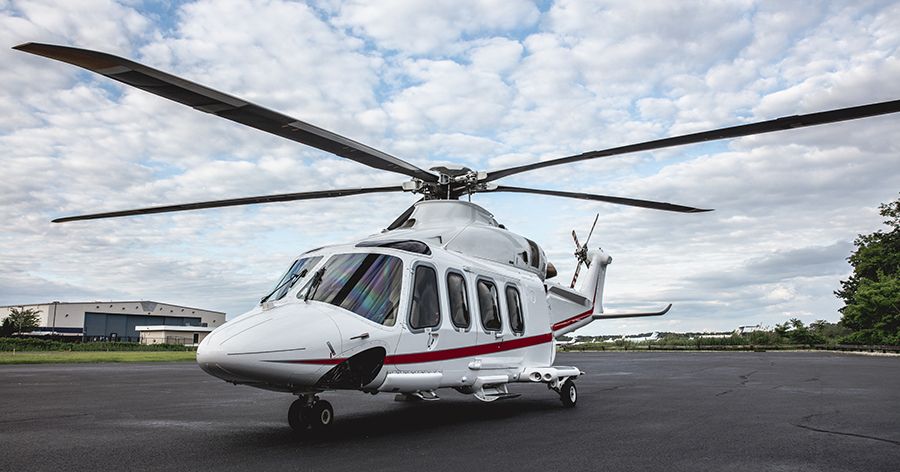
Vertical flight has come a long way since Leonardo da Vinci first dreamed up the concept of an “aerial screw” more than five centuries ago.
Modern helicopters are safer, more efficient and more useful than ever before. They operate in harsh and remote environments, fly into tight spots and perform missions that no other type of aircraft could ever accomplish. Helicopters affect our lives in many ways.
Here are five of them:
Medical Transportation
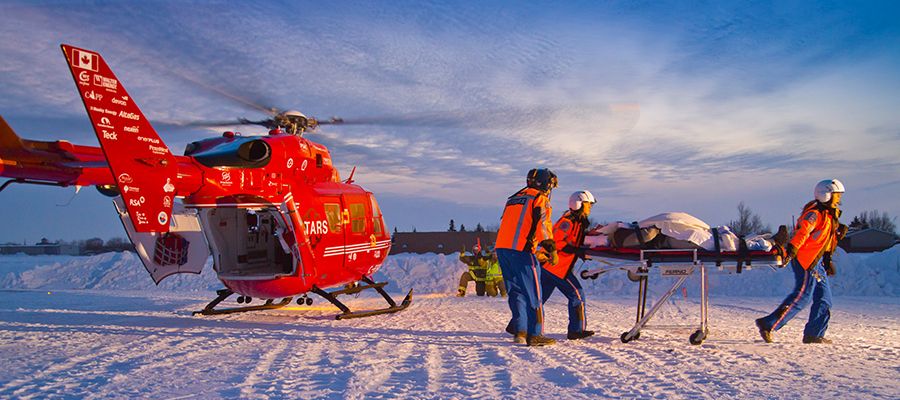
When every second counts, first responders and medical professionals count on helicopter air ambulances to transport accident victims and critically ill patients to the hospital. Countless lives have been saved since the first civilian hospital-based helicopter air ambulance service was started in 1972 and Air Ambulance News reports close to 400,000 rotor-wing medical transports a year in the U.S. alone. No one wants to take a medevac flight, but it’s comforting to know they’re available.
National Defense
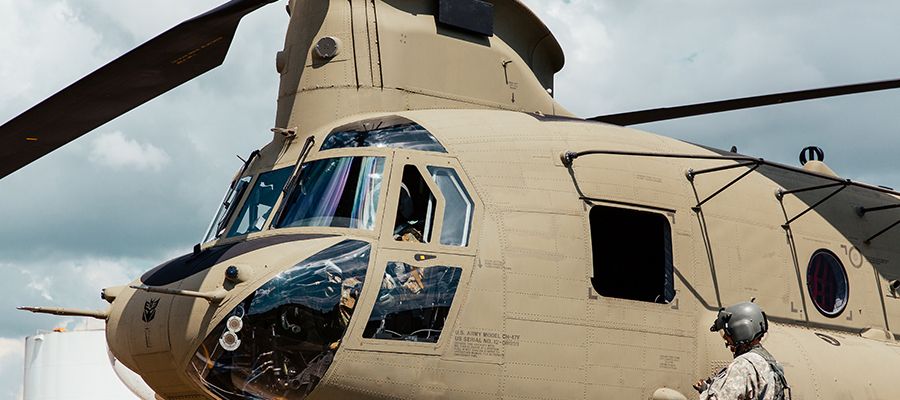
You’re safer and more secure thanks to military helicopters flown by defense forces the world over. They’re used to transport troops and supplies, perform search and rescue missions, evacuate wounded and injured service members, serve as airborne command posts, and much more. Military helicopters not only defend the homeland, they’re often deployed to support civilian search and rescue operations on land and at sea and to fly humanitarian missions to help disaster victims.
Natural Resources
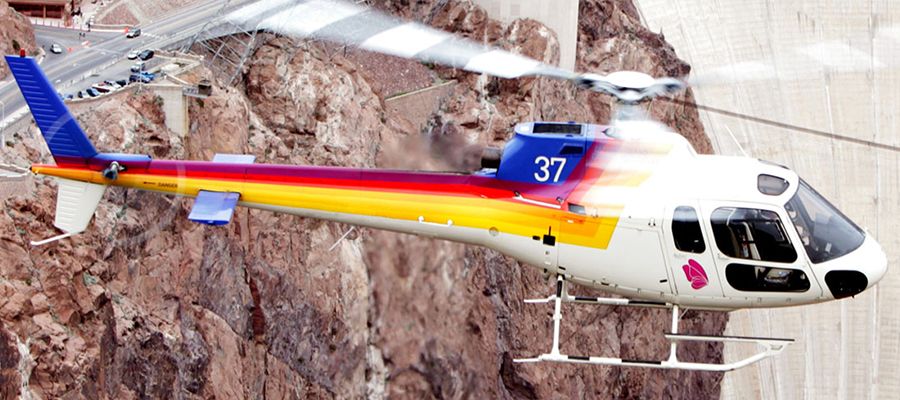
Helicopters help us discover, produce and preserve the natural resources we use every day. Electric utilities use helicopters in many ways, including the inspection of powerlines in remote areas. Oil and gas companies explore new resources and transport workers to offshore oil rigs with helicopters. Helicopters also carry sophisticated instruments that let forestry and mining companies keep an eye on their resources and assets.
Search and Rescue
Whether it’s the Coast Guard looking for a stranded sailor, a hurricane victim being plucked from a rooftop, the sheriff’s department trying to find a lost child, or a paramedic picking up a hiker with a broken leg, there’s simply no substitute for a helicopter when it comes to search and rescue. Every year thousands of people look to the sky and listen for the comforting “whop whop” of rotor blades when they need a helping hand.
Fire Protection
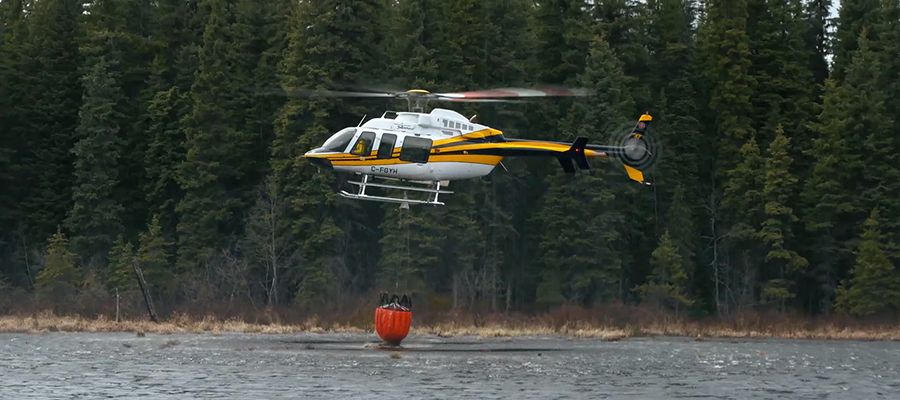
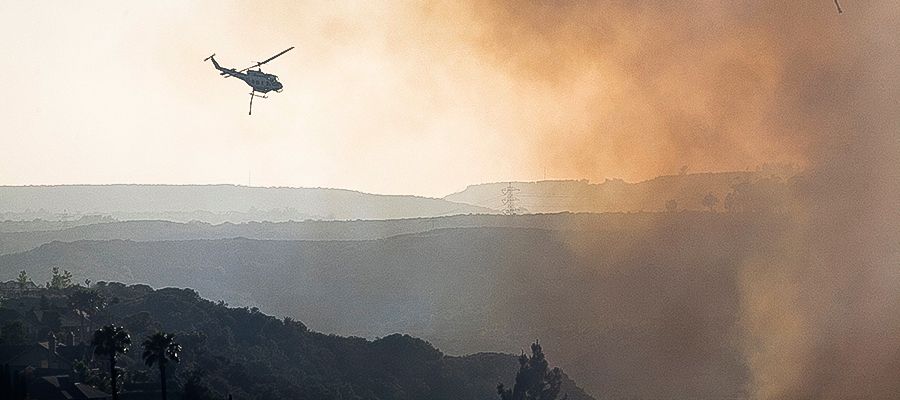
Helicopters are a key tool used in aerial firefighting, especially in remote regions. Smokejumpers can rappel onto the scene of a forest fire or wildfire from a helicopter. But more often helicopters are used to dump water or retardant on the blaze. Some helicopters, called helitankers, use internal tanks while others use buckets suspended beneath the aircraft and filled by dipping them in a nearby body of water. Sometimes helicopters extinguish a fire before ground crews even arrive.
For more information on what we’re doing to improve the safety, efficiency and capability of rotocraft, visit this website.
Copyright © 2026 Honeywell International Inc

Maximum File Size
Maximum Files Exceeded
Due to inactivity you will be logged out in 000 seconds.
Maximum File Size
Maximum Files Exceeded
You cannot access this page as this product is not available in your country.
Maximum File Size
Maximum Files Exceeded
This product is not available in your country.
You cannot access this page as this product is not available in your current country. To view this product, please change your product catalog view.

We use cookies and similar tracking online technologies to improve website performance, record website activities, facilitate information sharing on social media and offer advertising tailored to your interest. For more information, see our Cookie Notice and Terms and Conditions. You can also customize your browser’s cookie settings. Please note that if you refuse cookies, it may affect site functionality and performance.