

-
-
Need a Honeywell Account?
Create an AccountAlready have a Honeywell account?
Sign In -
Home My Account Order Management Invoice Management Case Management Saved Carts Address Book Legacy myTransactions Price Agreement Wishlist Advanced Search Preferred Business EntitymyProcess Home My Account Favorites Saved Cart Address Book Order Management Invoice Management Quote History Discount History Service ContractsMy Account My Profile My Orders My Orders Shop My Quotes My Returns Saved Carts Return Requests Invoices My Contracts Case History Work Order History My Subscriptions My Assets Manage Trainings & UsersHome Account Case Management Order Management Saved Carts Favorites Address Book Asset Management Quote ManagementCurrency:Localize your Content
You can set your preferred currency for this account.
Currency- CHOOSE YOUR CURRENCY
Update Currency
Changing Currency will cause your current cart to be deleted. Click OK to proceed.
To Keep your current cart, click CLOSE and then save your cart before changing currency.
Select AccountSwitching accounts will update the product catalog available to you. When switching accounts, your current cart will not move to the new account you select. Your current cart will be available if you log back into this account again.
Account# Account Name City Zip/Post Code PROCEEDCANCELMy Account
-
You are browsing the product catalog for
You are viewing the overview and resources for
to view parts associated with your account
3 Tips to Step Up Your Recycling Game at Home, According to Engineers
Innovators behind our plastic recycling technology share what they do at home to be conscious consumers and recyclers.
Chris Anderle, a principal research and development engineer, is one of the innovators helping to shape the future of plastics recycling.
He’s a part of the team behind our UpCycle process technology. Relative to conventional incineration and landfilling, UpCycle technology could result in 90% of waste plastics being recycled, when combined with mechanical and other chemical recycling approaches and improved collection and sorting.
With the technology, plastic waste unsuitable for mechanical recycling is broken down into a recycled polymer feedstock, which can then be used to manufacture new, high-quality plastics. This differs from mechanical recycling, which simply melts down and reshapes plastic.
In light of innovations like UpCycle that have potential to expand packaging and waste plastic circularity, Anderle said he believes recycling is something that all consumers can be a part of and should take an interest in.
Here’s how to improve your recycling habits on a personal level.
Learn your local recycling guidelines
Start with your local household waste collectors since guidelines can vary based on city and country.
Anderle said that most waste collection companies have lists online that detail what types of plastics or other materials can go in your at-home recycling bins.
“The list of what can’t go in recycling is also important,” Anderle said. “There could be some surprising things on the ‘do not add’ list.”
Pay attention to how you put items in recycling bins
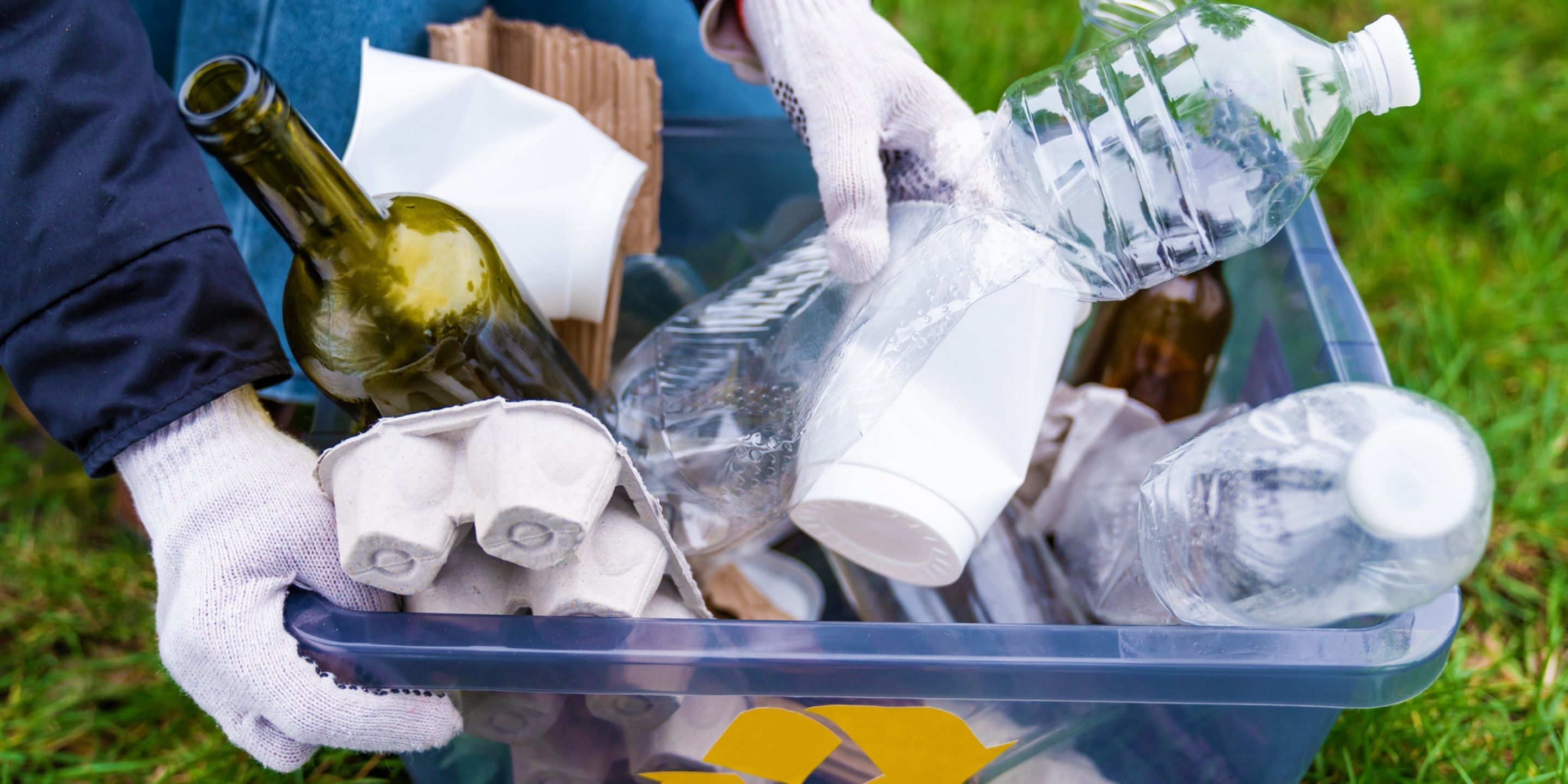
Knowing what you can and can’t recycle in your home is key, but the way you put those items in the recycling bin can impact what happens to them once they reach a recycling plant, Anderle said.
Anderle said he tries rinsing out the bottles, containers or jars he’s recycling. This is because organic residue – like food particles – can contaminate materials involved in a recycling process.
Avoid stacking items in one another, and try to remove lids if you can, he added.
“Packing containers into other containers before putting them in your recycling bin can make things tricky for people at a recycling plant. It can hold up the process,” Anderle said.
Try reducing your plastic usage
Ruben Barajas, a research and development engineer and scientist also involved in our UpCycle process technology, said that on a personal level, he tries to limit the single-use plastics he obtains in the first place.
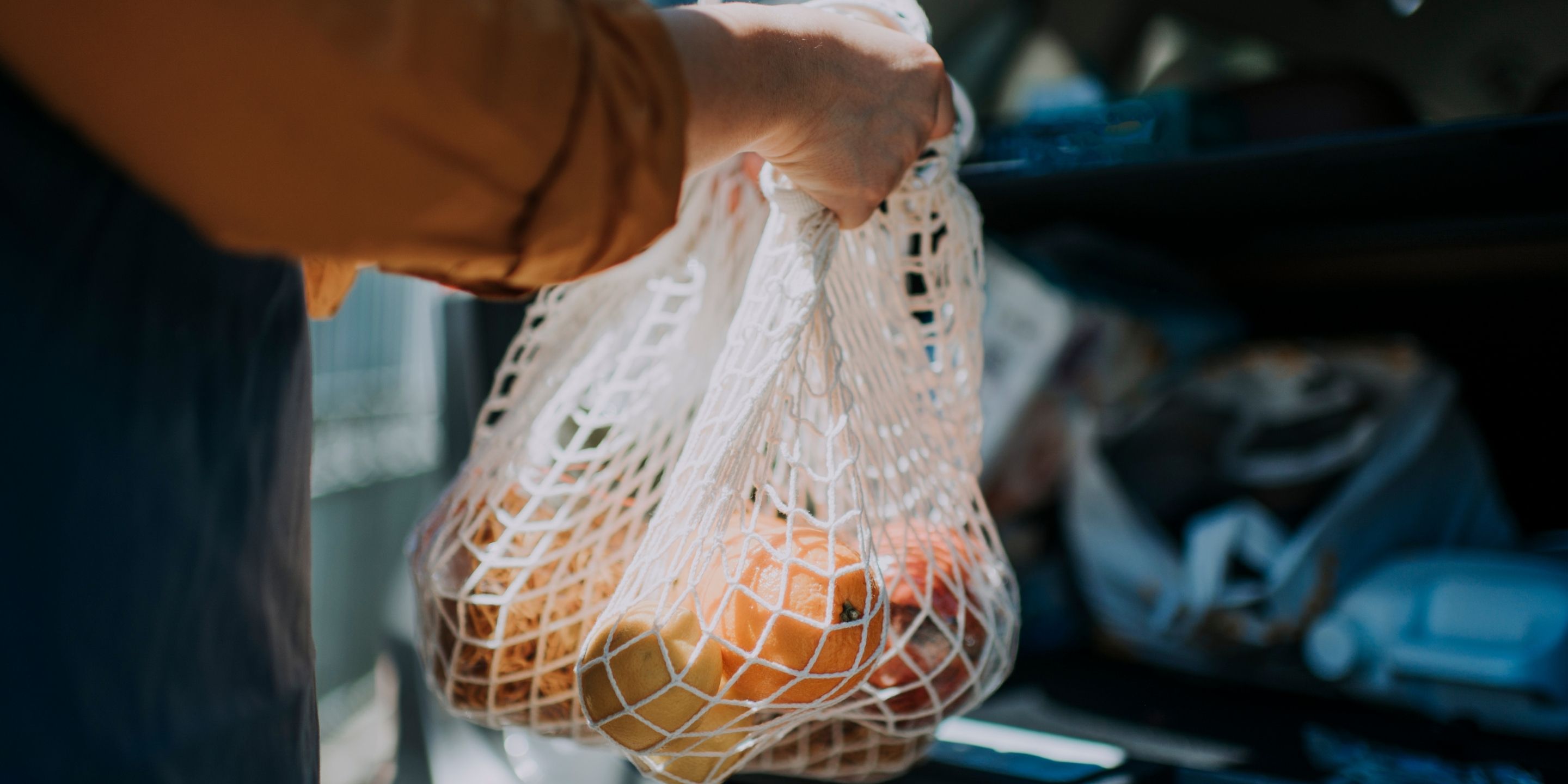
Barajas said he does this by often avoiding using plastic eating utensils or straws. He also takes steps to limit his plastic usage at grocery stores.
“I bring along a large reusable backpack to carry all of my groceries, which means that I can cut down on the number of single-use plastic bags that I have to use,” he said. “I still use some plastic bags – when I get a bunch of apples, I usually use one of the clear plastic bags from the grocery store to hold them – but I am thinking of a way to eliminate this.”
Watch: Get a behind-the-scenes look at the technology making plastics circularity possible.
Copyright © 2026 Honeywell International Inc

Maximum File Size
Maximum Files Exceeded
Due to inactivity you will be logged out in 000 seconds.
Maximum File Size
Maximum Files Exceeded
You cannot access this page as this product is not available in your country.
Maximum File Size
Maximum Files Exceeded
This product is not available in your country.
You cannot access this page as this product is not available in your current country. To view this product, please change your product catalog view.

We use cookies and similar tracking online technologies to improve website performance, record website activities, facilitate information sharing on social media and offer advertising tailored to your interest. For more information, see our Cookie Notice and Terms and Conditions. You can also customize your browser’s cookie settings. Please note that if you refuse cookies, it may affect site functionality and performance.