
Hospital-grade devices undergo rigorous testing to withstand medical-grade disinfectants that would damage standard commercial electronics. They feature sealed housings that protect internal components from harsh cleaning chemicals, specialized coatings on screens and buttons, and materials that resist degradation from repeated exposure to hospital disinfectants. Beyond chemical resistance, these devices often include antimicrobial coatings, drop-resistant designs for demanding clinical environments, and specialized features like barcode scanning optimized for medication labels and patient wristbands.
Hospitals
Hospital infrastructure that supports patient care
Honeywell provides automated hospital infrastructure to manage complex clinical and facility teams workflows.

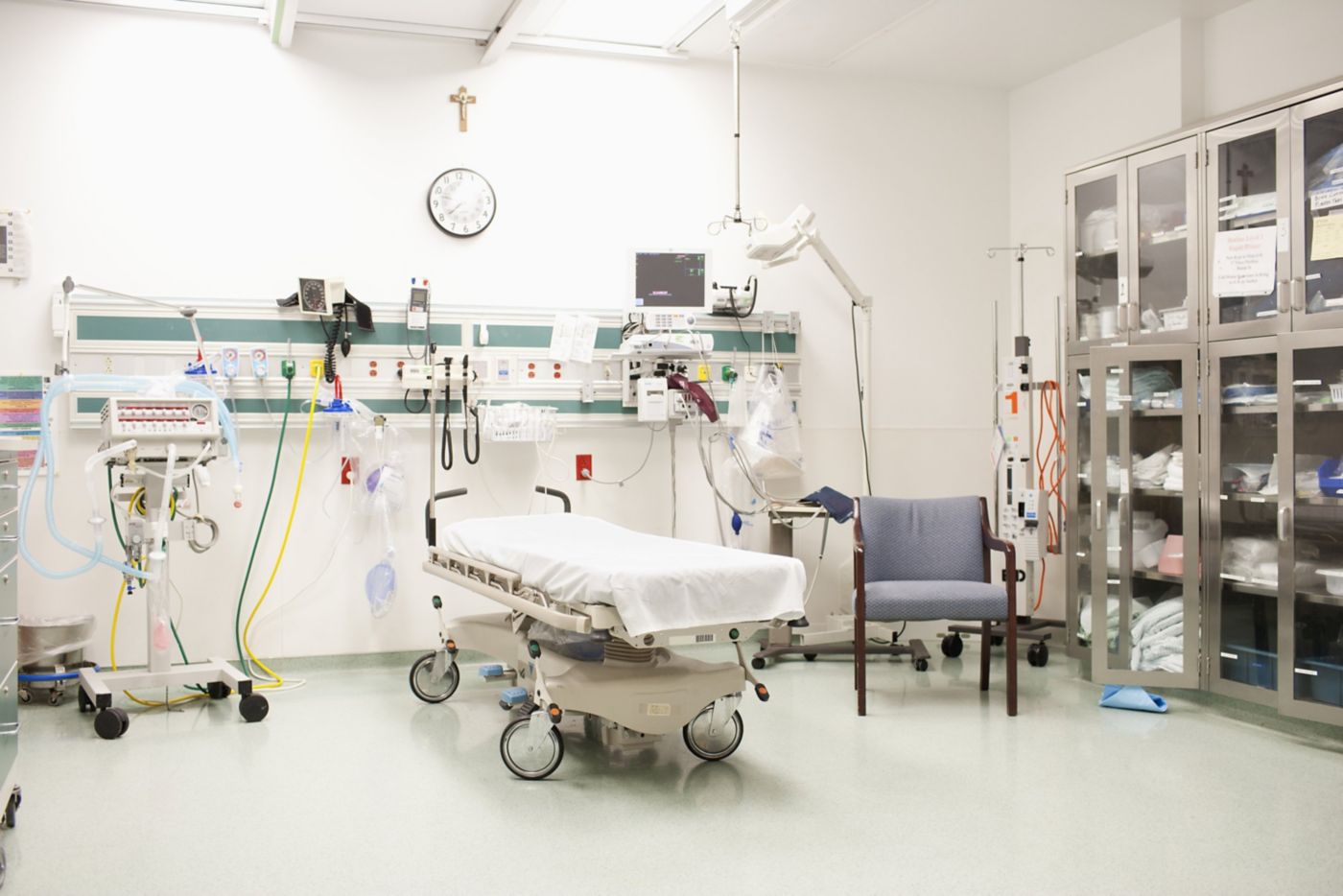
Honeywell provides automated hospital infrastructure to manage complex clinical and facility teams workflows.
Integrated Hospital Infrastructure for Safety, Efficiency and Energy Performance
Hospital facilities managers must coordinate complex building systems spanning HVAC, life safety, access control and energy management while ensuring continuous uptime and regulatory compliance. Every infrastructure decision impacts operational costs, clinical effectiveness and patient outcomes, while also playing a critical role in staff productivity and satisfaction.
Honeywell provides integrated hospital infrastructure that empowers facilities teams to optimize building operations, meet compliance requirements and create reliable, comfortable environments where clinical teams can work efficiently and deliver quality care.

Frequently Asked Questions About Hospital Infrastructure
Honeywell’s mobile computers and scanners can connect with established Electronic Health Record systems, pharmacy management platforms and laboratory information systems through standard protocols. Devices built on platforms like Honeywell's Mobility Edge support multiple connectivity options including 5G, Wi-Fi 6E and Bluetooth, which can enable real-time data synchronization. The integration process typically requires minimal training, and many devices offer backward compatibility with legacy systems while providing a future-compatible architecture that supports long-term Android updates.
Building automation can deliver comprehensive infection control through integrated environmental, behavioral, and access management systems. Phoenix Controls room pressure monitoring maintains critical pressure differentials in isolation rooms, operating rooms and protective environments, helping contain airborne pathogens per ASHRAE and Joint Commission standards. Automated ventilation can maintain proper air changes while humidity control helps reduce pathogen transmission.
Real-Time Location System (RTLS) technology monitors hand hygiene compliance at point-of-care with automated alerts and analytics for targeted training. The integrated system can continuously monitor conditions, log compliance data and alert staff when parameters drift from specification, facilitating rapid response to maintain infection prevention standards.
RTLS can provide instant visibility into staff, patient and equipment locations throughout hospital facilities, helping save time when it matters most. Systems reduce equipment search time, support faster patient flow by tracking bed availability and movement and optimize asset utilization. Safety features include staff duress badges, infant protection and wander management for vulnerable patients. RTLS can also monitor hand hygiene compliance at point-of-care to reduce infections, automate nurse call for faster response and integrate environmental monitoring for temperature and humidity compliance.
The technology integrates with hospital systems to help automate workflows by triggering environmental services when beds become available, alerting clinical teams when equipment enters patient areas and improving patient satisfaction through reduced wait times and efficient care delivery.
BMS can unify fire detection, access control and building operations into a single platform that helps enhance safety while reducing costs. Self-test fire alarms can automatically verify functionality, eliminate manual testing and reduce labor costs while maintaining Joint Commission compliance. When alarms activate, the BMS unlocks exit doors, adjusts HVAC to smoke control mode and coordinates emergency response. LenelS2 access control can integrate with fire alarms and video surveillance to manage visitor tracking, staff credentials and restricted zones.
During emergencies, first responders can receive real-time floor plans and system status. Centralized monitoring covers HVAC, lighting, access control, fire detection and energy management from one interface. Automated data logging generates audit-ready documentation for Joint Commission and CMS inspections, with automated alerts for immediate response to safety anomalies.